CRM for retail execution helps businesses manage customer relationships, but traditional systems may not fully support in-store operations and field team workflows.
These limitations can reduce operational efficiency and create challenges for teams responsible for retail execution. This article examines:
- The limitations of traditional CRM systems in retail execution.
- The challenges retailers face when using CRM tools.
- The impact of these limitations on retail efficiency.
- The benefits of a dedicated retail execution platform.
- The key features to consider when selecting a retail execution solution.
Understanding these factors helps retailers assess whether their existing CRM needs a dedicated platform to support in-store execution.
Table of Contents
- Limitations of Traditional CRM for Retail Execution
- Challenges Faced by Retailers with CRM Tools
- The Impact of CRM Limitations on Retail Efficiency
- Benefits of a Dedicated Retail Execution Platform
- Key Features to Look for in a Retail Execution Solution
- Frequently Asked Questions
Limitations of Traditional CRM for Retail Execution
Traditional customer relationship management (CRM) systems have been widely used in the retail industry to manage customer data, track sales, and improve customer satisfaction. However, these traditional CRM systems often come with limitations that can hinder the effectiveness of retail execution.
One of the main limitations of traditional CRM in retail execution is their inability to provide real-time data and insights. Retailers rely on up-to-date information to make informed decisions, but traditional CRM systems often fall short in delivering real-time data, leading to delays in decision-making and potentially impacting overall retail efficiency.
In addition, traditional CRM systems may not have the ability to integrate with other retail execution tools, such as inventory management systems or point-of-sale (POS) solutions. This lack of integration can lead to siloed data and processes, making it difficult for retailers to have a comprehensive view of their operations and customer interactions.
Furthermore, traditional CRM systems may lack the flexibility and scalability required to adapt to the evolving needs of retail execution. As the retail landscape continues to change, retailers need a CRM solution that can easily adapt to new technologies and market trends, something that traditional CRM systems may struggle to deliver.
Challenges faced by retailers with CRM tools
One of the main challenges faced by retailers when using CRM tools is the difficulty in integrating the various data sources that are available to them. With customer information coming from a variety of sources including social media, website interactions, email communications, and in-store purchases, it can be a daunting task for retailers to consolidate and analyze this data effectively.
Another challenge is the need for training and change management within the organization. Implementing a CRM system requires buy-in from all levels of the company, and often entails a shift in processes and workflows. Without proper training and support, employees may struggle to adapt to the new system, leading to inefficiencies and frustration.
Security and privacy concerns also present a significant challenge for retailers using CRM tools. With large amounts of sensitive customer data being stored in these systems, there is always a risk of unauthorized access or data breaches. Retailers must invest in robust security measures and compliance practices to ensure the safety of their customers’ information.
Lastly, the cost associated with implementing and maintaining a CRM system can be a major challenge for retailers, especially for smaller businesses. The initial investment in software and hardware, as well as ongoing maintenance and support costs, can be prohibitive for some companies. This can lead to a reluctance to invest in CRM tools, despite the potential benefits they offer.
The impact of CRM limitations on retail efficiency
Customer Relationship Management (CRM) systems have long been a staple in the retail industry, allowing businesses to manage customer interactions and streamline sales processes. However, the limitations of traditional CRM systems can have a significant impact on retail efficiency. These limitations can include outdated technology, lack of integration with other systems, and difficulty in scaling with business growth.
One of the major impacts of CRM limitations on retail efficiency is the inability to provide a comprehensive view of customer data. Without a centralized and integrated CRM system, retailers may struggle to access and analyze key customer information, leading to missed opportunities for personalized marketing and sales strategies.
Another impact is the potential for disjointed communication and collaboration among retail teams. When CRM systems lack the necessary features and capabilities, it can lead to a lack of transparency and alignment across departments, ultimately hindering the overall efficiency of the retail operation.
Furthermore, CRM limitations can result in a lack of flexibility and adaptability, making it challenging for retailers to keep pace with rapidly changing market trends and consumer demands. This can lead to missed opportunities to optimize inventory management, pricing strategies, and customer engagement initiatives.

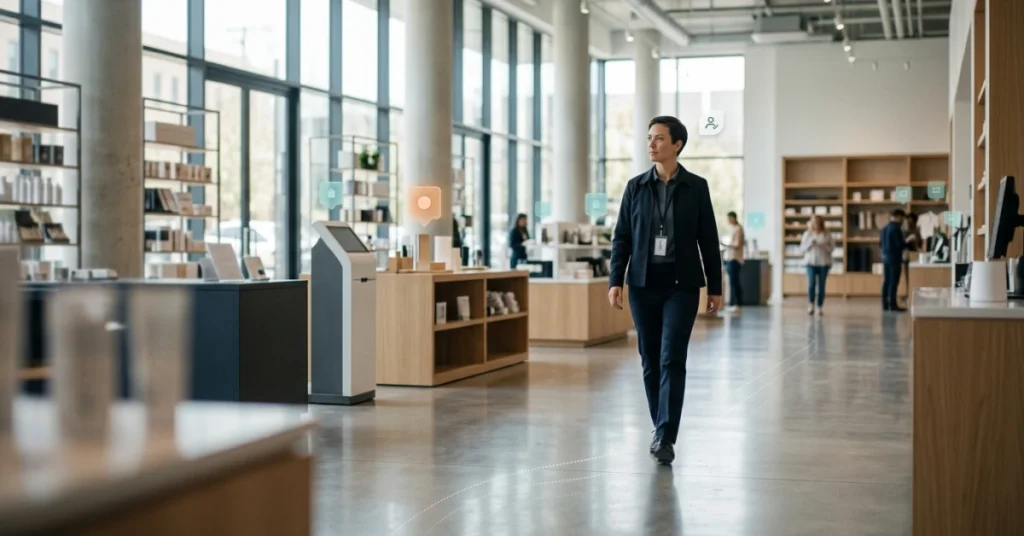
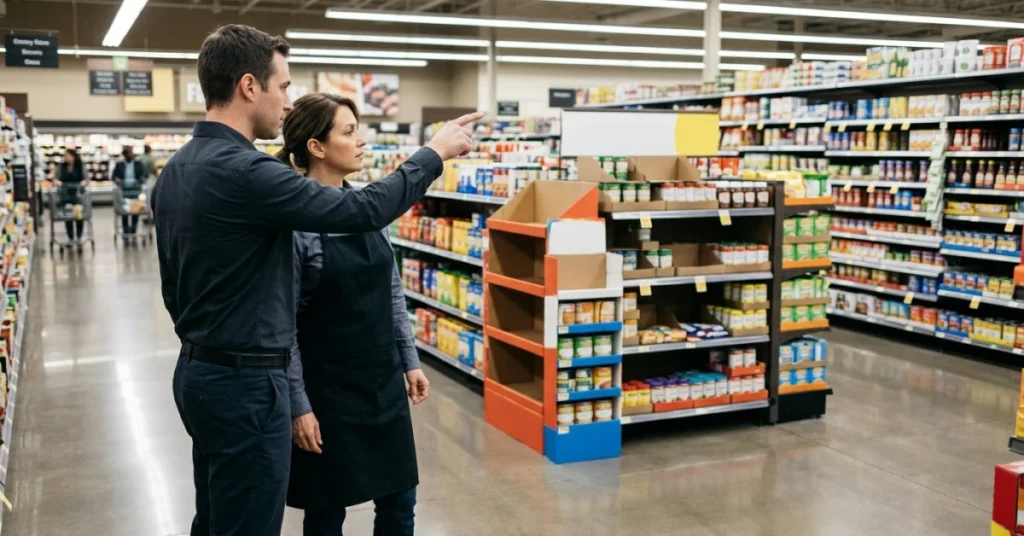
Retail employee checking shelf availability on a tablet, illustrating in-store workflows beyond traditional CRM for retail execution.
Benefits of a dedicated retail execution platform
Compared with traditional CRM for retail execution, dedicated platforms provide tools designed for store visits, task completion, and in-store reporting.
One of the key benefits of a dedicated retail execution platform is the ability to streamline and automate various processes within the retail environment. These platforms often come with features such as task management, performance tracking, and real-time reporting, which can significantly improve operational efficiency and accuracy.
Another major advantage of using a dedicated retail execution platform is the enhanced visibility and control it offers to retailers. With the ability to monitor and manage various aspects of retail operations in real-time, retailers can make informed decisions and quickly respond to changing market conditions.
Furthermore, these platforms are often equipped with advanced analytics and reporting capabilities, which can provide valuable insights into customer behavior, market trends, and overall performance. This data-driven approach can help retailers to optimize their strategies and improve customer satisfaction.

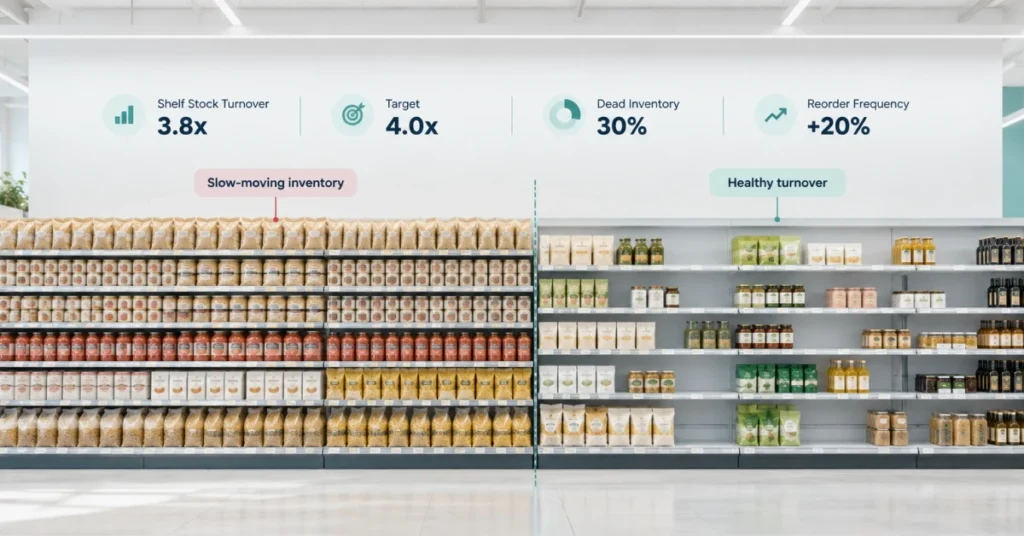
Retail operations managers reviewing store reports and performance data to coordinate field teams and improve in-store execution.
Key features to look for in a retail execution solution
When considering a retail execution solution, it’s important to keep in mind the key features that can make a significant impact on the success of your retail operations. One of the most crucial features to look for is real-time visibility. A good retail execution solution should provide real-time insights into store performance, sales data, and inventory levels. This visibility enables retailers to make informed decisions and respond quickly to changing market conditions.
Another essential feature is task management capabilities. The right solution should offer tools for creating and assigning tasks to field teams, tracking their progress, and ensuring that all activities are completed on time. Effective task management streamlines operations, improves productivity, and enhances overall retail performance.
Integration with CRM systems is also a key feature to consider. A retail execution solution that seamlessly integrates with CRM tools enables retailers to leverage customer data and insights for better decision-making. This integration ensures that sales teams have access to up-to-date customer information and can personalize interactions to drive sales and customer satisfaction.
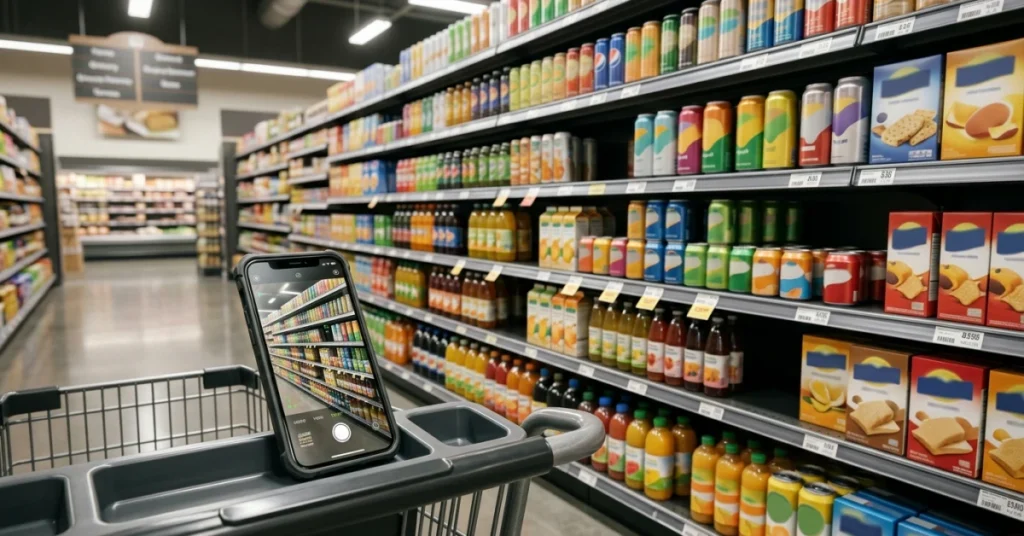
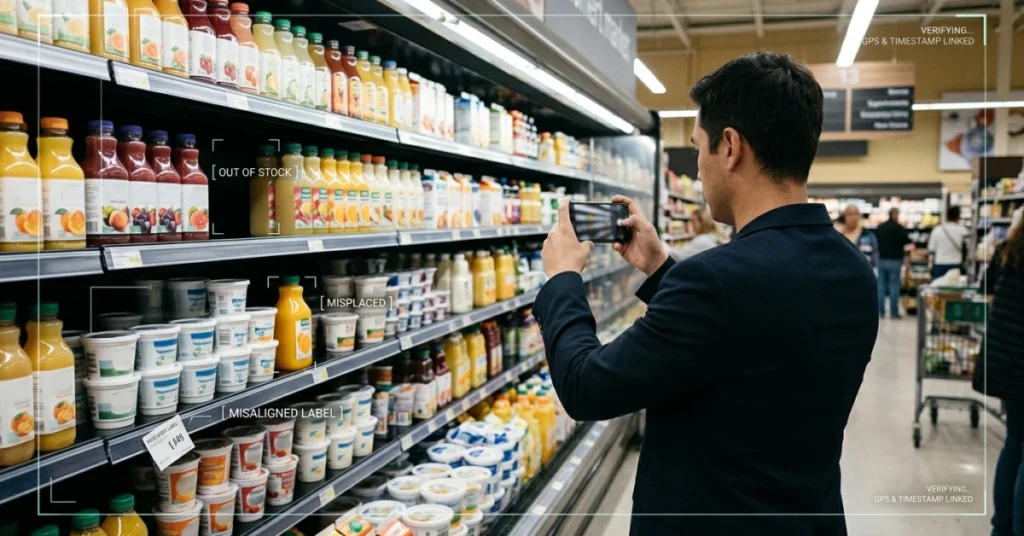
Lastly, mobile capabilities are essential for a modern retail execution solution. Mobile access allows field teams to access and update data in real-time, capture in-store observations, and communicate with the back office. The ability to work on-the-go improves efficiency, enables faster decision-making, and empowers field teams to perform at their best.
Frequently Asked Questions
What are the limitations of traditional CRM in retail execution?
Traditional CRM systems lack the specific features needed for retail execution, such as in-store data collection and task management.
What are the challenges faced by retailers with CRM tools?
Retailers often struggle with data accuracy, real-time visibility, and task prioritization when using CRM tools for retail execution.
How does the limitations of CRM impact retail efficiency?
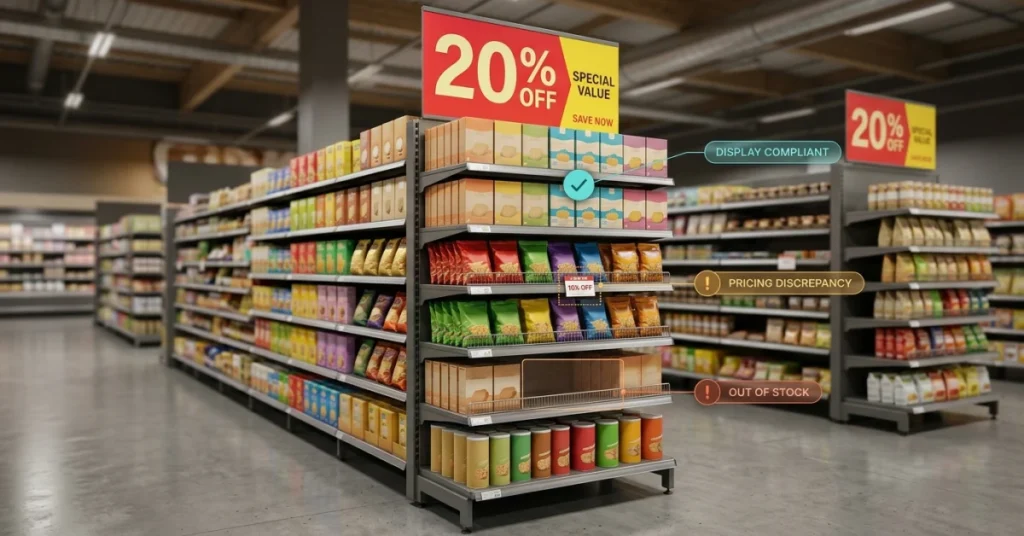
The limitations of CRM can lead to inefficiencies in product availability, shelf visibility, and promotional compliance, impacting overall retail performance.
What are the benefits of a dedicated retail execution platform?
A dedicated retail execution platform provides retailers with features specific to their needs, such as route optimization, in-store activity tracking, and real-time data analysis.
What are the key features to look for in a retail execution solution?
Key features to consider include mobile data collection, task management, photo reporting, shelf audits, and integration with existing CRM systems.