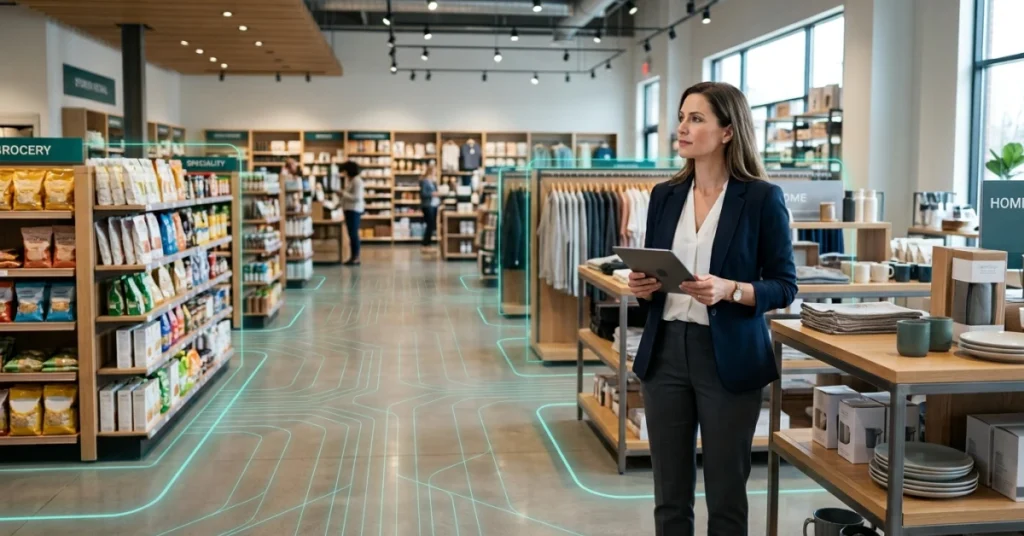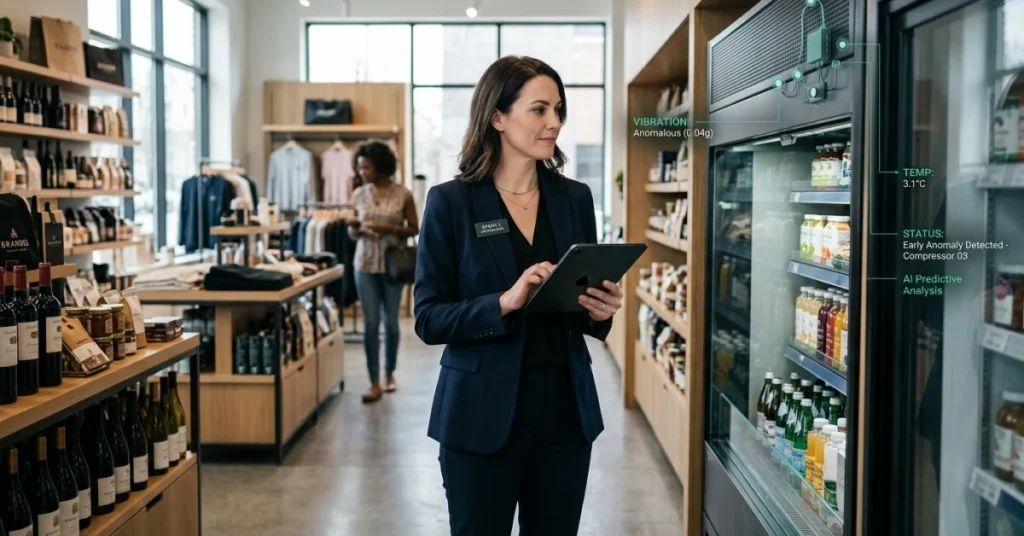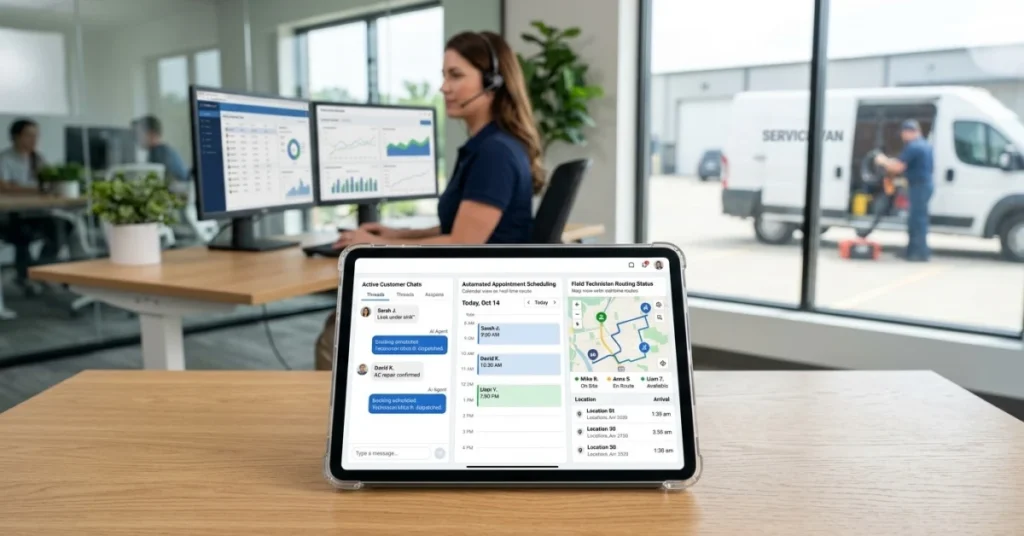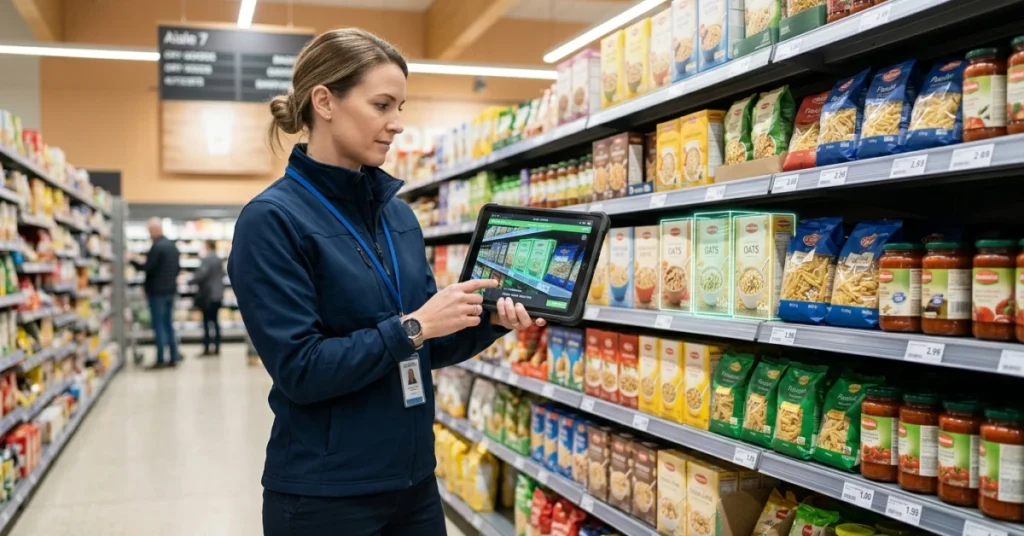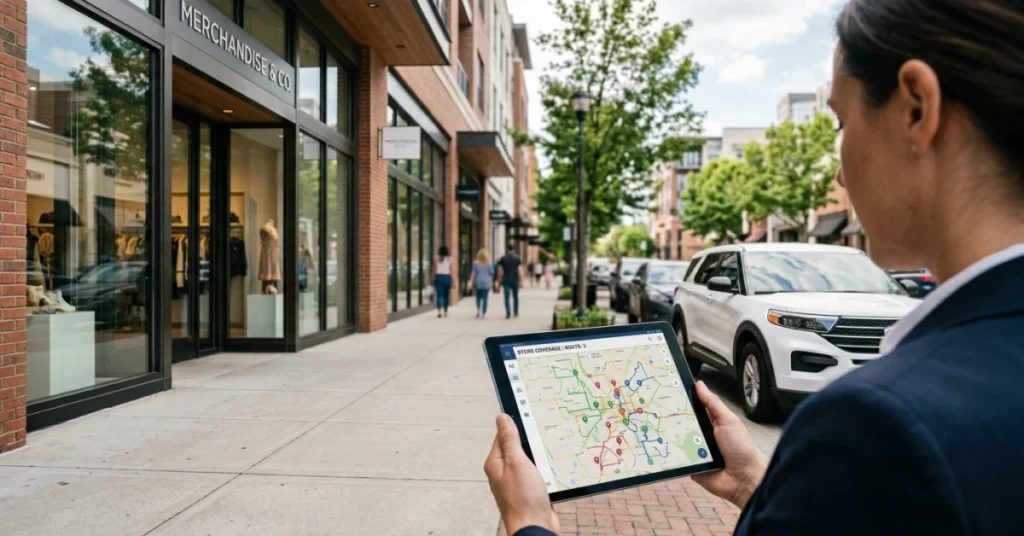




Crowdsourcing in retail is the practice of sourcing data, ideas, labor, or market intelligence from a distributed network of contributors — shoppers, field agents, or online communities — rather than relying solely on internal teams or traditional research firms. It enables retailers and brands to collect real-time, ground-level insights at scale and at a fraction of conventional costs.
What Is Crowdsourcing in Retail, and Why Does It Matter in 2026?
The retail landscape has never moved faster. Consumer preferences shift weekly, competitor pricing changes daily, and shelf conditions vary store by store. Traditional audit cycles — monthly or quarterly — simply cannot keep pace. That’s where crowdsourcing steps in.
By tapping into a distributed network of shoppers, gig workers, or brand advocates, retailers gain access to a continuous stream of store-level data, product feedback, and competitive intelligence. According to market research published by MarketIntelo, the retail crowdsourcing platform market is on a sustained growth trajectory through 2033, driven by the demand for real-time visibility across complex, fragmented store networks.
The model works because it aligns incentives: contributors earn rewards for completing tasks, while brands and retailers receive verified, actionable insights they could never generate cost-effectively with a fixed workforce.
How Does Crowdsourcing Actually Work in a Retail Environment?
At its core, a retail crowdsourcing platform connects three parties:
- Task issuers — brands, retailers, or category managers who need data
- Contributors — shoppers, field agents, or community members who complete tasks
- The platform — the technology layer that validates submissions, manages payments, and routes insights
A contributor might visit a grocery store, photograph a product display, verify a price tag, or report an out-of-stock condition. That data feeds directly into a brand’s intelligence dashboard within hours — not weeks.
As Wiser’s analysis of retail intelligence highlights, the synergy between crowdsourcing and merchandising execution is particularly powerful: field data collected by distributed contributors can directly trigger corrective actions by sales reps or store managers, closing the loop between insight and action.

What Are the Primary Use Cases for Crowdsourcing in Retail?
How Do Brands Use Crowdsourcing for In-Store Execution?
In-store execution is the most established use case. Brands invest heavily in planograms, promotional displays, and pricing strategies — but without visibility into whether those plans are actually implemented, that investment is partially wasted.
Crowdsourcing solves this by deploying shoppers to:
- Verify product placement and shelf compliance
- Confirm promotional displays are live and correctly positioned
- Check price tags against agreed promotional rates
- Report competitor activity and out-of-stock situations
The result is granular, photo-verified data across hundreds or thousands of retail locations simultaneously.
How Is Crowdsourcing Used for Product Development?
Retailers and brands increasingly use crowdsourcing to co-create products with their customer base. This ranges from open innovation challenges — where consumers submit product ideas — to beta testing programs that gather structured feedback before a full launch.
LEGO’s Ideas platform is one of the most cited examples: community members submit product concepts, vote on favorites, and the most popular designs enter production. The model reduces development risk while deepening customer loyalty.
How Does Crowdsourcing Support Price Intelligence?
Competitive pricing is a constant pressure point in retail. Crowdsourcing enables brands to track competitor prices at the shelf level — data that web scraping alone cannot provide for in-store-only promotions or regional pricing variations.
Contributors scan or photograph price labels, and the platform aggregates that data into a market intelligence dashboard. Brands can then respond to pricing shifts in near real time rather than waiting for a syndicated data report.
What Are the Key Benefits of Crowdsourcing in Retail?
| Benefit | Traditional Approach | Crowdsourcing Approach |
|---|---|---|
| Store audit frequency | Monthly or quarterly | Near real-time, on-demand |
| Geographic coverage | Limited by field team size | Scales with contributor network |
| Cost per data point | High (full-time staff) | Low (task-based micro-payments) |
| Time to insight | Days to weeks | Hours |
| Data diversity | Uniform (same auditors) | Varied (real shoppers) |
| Scalability | Slow, expensive | Rapid, elastic |
Beyond operational efficiency, crowdsourcing creates a direct feedback loop with actual customers. Insights come from people who genuinely shop in those stores, not auditors who are recognizable to store staff and may trigger compliance theater.
What Are the Challenges and Risks of Retail Crowdsourcing?
Crowdsourcing is not without friction. Brands and retailers considering a platform-based approach should account for the following:
Data quality control. With a distributed contributor base, submission quality can vary. Leading platforms use photo verification, GPS stamping, and machine learning to flag anomalous submissions — but quality governance requires ongoing investment.
Contributor reliability. Gig-economy contributors may not prioritize accuracy over speed. Task design, clear instructions, and incentive structures all influence submission quality.
Privacy and data compliance. Collecting in-store data — particularly images — raises questions under GDPR, CCPA, and other privacy frameworks. Platforms operating in multiple markets must maintain robust data governance policies.
Integration complexity. Raw crowdsourced data is only valuable when it integrates with existing retail intelligence systems, CRM platforms, or ERP tools. Poor integration leads to data silos.
How Is Technology Amplifying Crowdsourcing in Retail?
The intersection of crowdsourcing and AI is where the most significant gains are emerging. Modern retail crowdsourcing platforms are no longer just task-routing engines — they are intelligence layers.
Key technology enablers include:
- Computer vision: Automatically validates shelf photos for planogram compliance, reducing the need for manual review
- Machine learning: Identifies data anomalies, predicts contributor reliability scores, and surfaces patterns across large datasets
- Mobile-first platforms: Enable contributors to complete tasks seamlessly via smartphone apps, improving participation rates
- Real-time dashboards: Convert raw field data into actionable market intelligence within hours of submission
For brands managing thousands of SKUs across a national retail footprint, this technology stack transforms crowdsourcing from a tactical data-collection tool into a strategic intelligence capability.
If you’re evaluating how to structure field operations around crowdsourced data, understanding the fundamentals of retail execution management is an essential starting point.
Crowdsourcing in Retail vs. Traditional Field Research: A Direct Comparison
Which Approach Delivers Better ROI?
The answer depends on the specific intelligence need. Traditional field research — syndicated data panels, mystery shopping firms, dedicated field sales teams — offers depth and methodological rigor. Crowdsourcing offers speed, scale, and cost efficiency.
For routine, high-frequency tasks (price checks, stock verification, display compliance), crowdsourcing delivers superior ROI. For complex qualitative research — understanding shopper psychology, evaluating a new store concept — traditional methods remain valuable.
The most sophisticated retail organizations are building hybrid models: crowdsourcing handles the high-volume, time-sensitive data collection layer, while traditional research methods address strategic questions that require more controlled methodology.
Many brands are also discovering that integrating crowdsourced insights with field team management software dramatically improves the speed at which corrective actions reach store level.
The Retail Crowdsourcing Platform Landscape: What to Look For?
What Features Define a Best-in-Class Platform?
Not all crowdsourcing platforms are built for retail’s specific demands. When evaluating options, prioritize the following capabilities:
Contributor network quality. A large, active network in your key retail markets is non-negotiable. Thin networks mean slow task completion and geographic gaps.
Verification and validation. Photo-based verification, GPS confirmation, and AI-assisted quality scoring are table-stakes features for enterprise retail deployments.
Integration capabilities. The platform must connect with your existing data infrastructure — whether that’s a retail intelligence suite, a BI tool, or a field force management system.
Reporting and dashboards. Raw data is not insight. The platform should surface trends, flag anomalies, and enable drill-down analysis by region, retailer, or product category.
Compliance and data security. Particularly for brands operating across the EU and US, the platform’s approach to cookie management, data retention, and contributor privacy must meet current regulatory standards.
How Do Leading Retail Brands Use Crowdsourcing Today?
Real-World Applications Across Retail Segments
Grocery and CPG: A major consumer packaged goods brand deploys shopper contributors to verify promotional compliance across 5,000 grocery locations. Submissions are photo-verified and GPS-stamped, feeding a real-time dashboard that triggers field rep alerts when compliance falls below threshold.
Fashion retail: A global apparel brand uses crowdsourcing to gather product feedback from target demographics before committing to full production runs. Concept images and prototype descriptions are shared with a curated community panel, and structured feedback shapes final design decisions.
Electronics retail: A consumer electronics manufacturer uses crowdsourced price intelligence to monitor competitor pricing across both physical retail and e-commerce channels. The data integrates with a dynamic pricing engine, enabling automated responses to competitive moves.
E-commerce: Online retailers use crowdsourcing for content quality tasks — product description review, image tagging, and category taxonomy validation — tasks that require human judgment at scale.
As BOLD Awards’ analysis of retail crowdsourcing stakeholders demonstrates, the benefits of crowdsourcing extend across the entire retail ecosystem — from manufacturers and distributors to retailers and end consumers.
Brands looking to build a more systematic approach to store-level performance should also explore how shelf compliance monitoring tools integrate with crowdsourced field data to create a closed-loop execution system.

Frequently Asked Questions (FAQ)
What is the difference between crowdsourcing and mystery shopping in retail?
Mystery shopping uses trained, anonymous evaluators who follow a scripted assessment protocol. Crowdsourcing deploys a broader, more flexible contributor network for specific, defined tasks — typically at higher frequency, lower cost, and greater geographic scale. Mystery shopping provides qualitative depth; crowdsourcing provides quantitative breadth.
How do retail brands ensure the quality of crowdsourced data?
Leading platforms combine GPS verification, timestamped photo submissions, AI-assisted image validation, and contributor reliability scoring to maintain data quality. Task design also plays a critical role — clear instructions, visual examples, and structured response formats significantly reduce submission variability.
Is crowdsourcing in retail suitable for small and mid-sized brands?
Yes. Many retail crowdsourcing platforms offer flexible, task-based pricing models that make the approach accessible to brands without large field research budgets. The key is starting with a focused use case — price monitoring or promotional compliance in a defined market — before scaling to broader programs.
Conclusion
Crowdsourcing in retail has moved well beyond a niche tactic. In 2026, it represents a mature, scalable approach to generating the real-time market intelligence that modern retail demands. From in-store execution compliance and competitive price monitoring to product co-creation and consumer insights, the applications are broad — and the ROI case is compelling.
The organizations winning with crowdsourcing are not simply deploying a platform and collecting data. They are building integrated intelligence systems: crowdsourced field data feeding real-time dashboards, triggering automated alerts, and informing decisions at every level of the retail operation.
The checklist above gives you a structured path to launch. The technology exists. The contributor networks are ready. The question is whether your organization is ready to move from reactive reporting to proactive, real-time retail intelligence.