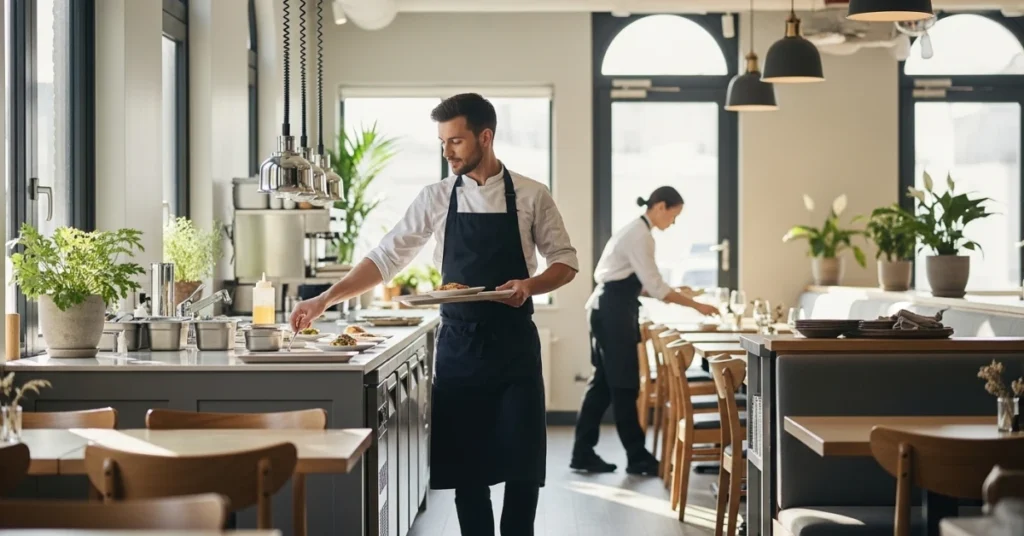



Restaurant quality control (QC) is the set of reactive, inspection-based processes a restaurant uses to verify that finished food products, service delivery, and facility conditions meet pre-defined standards before they reach customers. It is the final checkpoint in a broader quality assurance system.
What Is Restaurant Quality Control — and Why Does It Matter in 2026?
The U.S. restaurant industry serves roughly 1 billion meals per week. A single food safety lapse can trigger an FDA enforcement action, a social media crisis, and a measurable drop in repeat customers — all at once. According to research published by food safety and compliance specialists, contaminated food products cause an estimated 48 million illnesses in the United States annually, and foodborne outbreaks are disproportionately traced back to food service environments.
That context makes restaurant quality control not a nice-to-have, but a non-negotiable operating standard.
Beyond safety, consistent food quality drives revenue. Customers who receive the same great product every visit return more often, spend more, and refer others. A 2024 National Restaurant Association survey found that consistency ranked as the No. 1 driver of customer loyalty — above price and ambiance.
Quality Assurance vs. Quality Control: What’s the Difference?
Many operators use QA and QC interchangeably. They are related but distinct disciplines.
| Term | Focus | When It Happens | Example |
|---|---|---|---|
| Quality Assurance (QA) | Preventing defects through process design | Before and during production | Writing a standardized recipe and training staff to follow it |
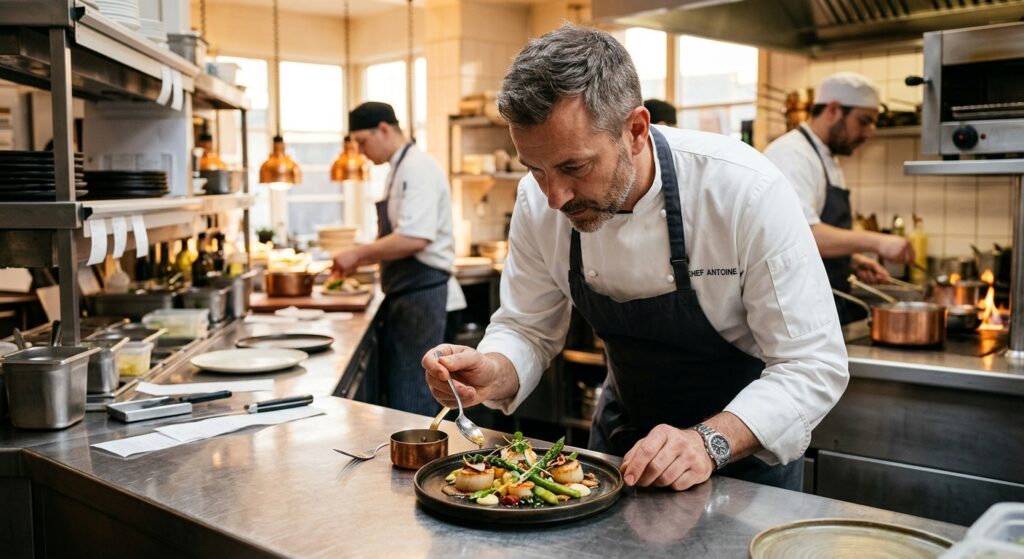
| Quality Control (QC) | Detecting defects through inspection | After production, before delivery | Checking a plated dish against the recipe card before it leaves the pass |
Think of quality assurance as the system and quality control as the audit of that system. Strong restaurants run both in parallel. If your QC checks are constantly catching the same defect, that signals a broken QA process upstream — not just a one-time slip.
For operators managing multiple locations, a centralized restaurant operations platform can enforce QA standards at scale while feeding QC data back to corporate in real time.
What Are the Key Components of Restaurant Quality Control?
Effective QC in a restaurant covers five interconnected domains.
1. Ingredient and Supplier Quality
The quality of your finished product is capped by the quality of your raw inputs. Every supplier relationship should include:
- A written specification sheet for each product (weight, grade, temperature on arrival)
- Documented receiving inspections — date, time, temperature log, visual check
- A clear rejection protocol with photographic evidence
- Annual supplier audits tied to food safety and compliance standards
The FDA’s Food Safety Modernization Act (FSMA), enacted in 2011 and continuously updated, places legal responsibility on operators to verify that suppliers meet preventive control requirements. Non-compliance can result in facility suspension.
2. Food Production and Preparation Standards
Consistency in production starts with standardized recipes and portion controls. Every menu item should have:
- A recipe card specifying exact ingredients, weights, and cooking temperatures
- Critical control points (CCPs) identified under a HACCP plan
- Required internal temperatures — the USDA mandates 165°F for poultry, 160°F for ground beef, and 145°F for whole cuts
- Visual plating guides so staff can verify the final product matches the standard
As industry QC experts note, HACCP (Hazard Analysis and Critical Control Points) is the globally recognized framework for managing food safety risks in production environments. Restaurants operating in most U.S. states are legally required to implement a HACCP-based plan.
3. Storage and Temperature Management
Improper storage is one of the leading causes of food quality failure and regulatory violations.
- Refrigerators: ≤40°F (4°C)
- Freezers: ≤0°F (−18°C)
- Hot holding: ≥140°F (60°C)
- Raw proteins stored below ready-to-eat products (top-to-bottom storage hierarchy)
- FIFO (First In, First Out) labeling enforced on every shelf
Digital temperature monitoring systems that log data automatically — rather than relying on manual staff entries — significantly reduce both compliance gaps and falsified records.
4. Service Quality and Customer Experience
Food quality extends beyond the kitchen. Service is part of the product customers pay for. QC metrics for service should include:
- Ticket times by station and by daypart
- Table turn accuracy vs. reservation targets
- Order accuracy rate (tracked via POS error reports)
- Customer complaint rate per 100 covers
- Net Promoter Score (NPS) or post-visit survey data
Restaurants that track service performance metrics through digital field tools catch drift in standards weeks before negative reviews surface on Google or Yelp.
5. Facility and Equipment Compliance
A clean, code-compliant facility is a prerequisite for consistent food quality. Key QC checkpoints include:
- Daily sanitization logs for food-contact surfaces
- Calibrated thermometer verification (at least weekly)
- Hood and ventilation cleaning schedules
- Pest control service records
- Health department inspection scores and corrective action logs
How Do You Build a Restaurant Quality Control Checklist?
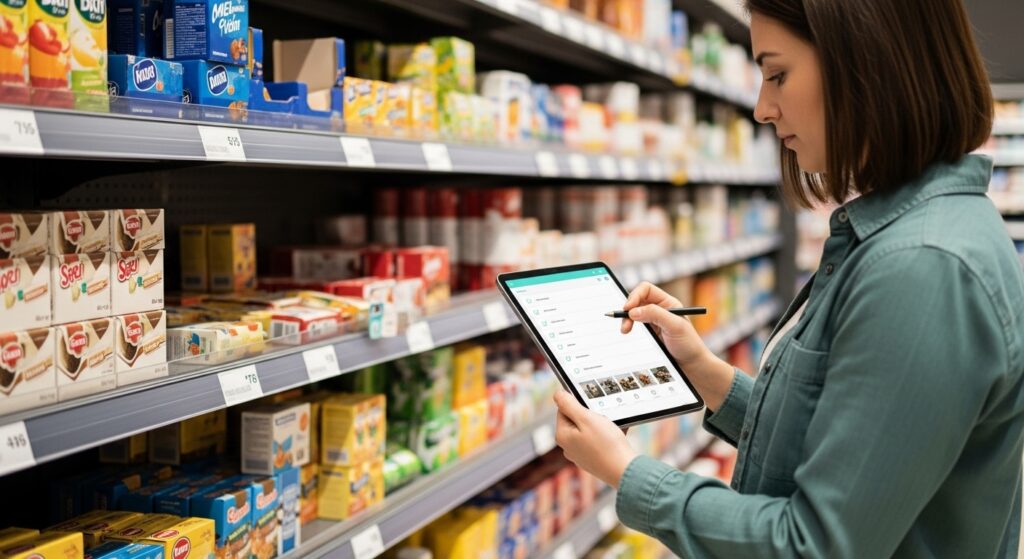
Checklists are the operational backbone of any QC program. Well-designed checklists reduce reliance on memory, create an audit trail, and make compliance measurable. Paper-based checklists are increasingly being replaced by digital checklists that auto-timestamp entries, flag out-of-range readings, and route corrective actions to the right manager instantly.
According to research on digital inspection practices, restaurants that switch from paper to digital checklists report a 30–40% reduction in the time required to complete inspections while simultaneously improving data accuracy.
Daily Restaurant Quality Control Checklist
Opening Checks
- Walk coolers and freezers — verify temperatures and log readings
- Check all product labels for dates; pull expired items
- Verify cleaning log was completed from prior close
- Confirm sanitizer solution concentration (200–400 ppm for chlorine-based)
- Test and calibrate probe thermometers
- Review staff schedule vs. production needs
During Service
- Verify line temperatures at each station before service begins
- Conduct random product quality checks against recipe cards
- Monitor ticket times; flag if average exceeds threshold
- Check portion weights on random sample of products (±5% tolerance)
- Log any customer complaints in real time
Closing Checks
- Cool all hot products to 70°F within 2 hours, then to 41°F within 4 additional hours (FDA 2-stage cooling rule)
- Sanitize and document all food-contact surfaces
- Date-label all products going into storage
- Complete temperature log for all cold storage units
- Document any equipment issues for morning follow-up
How Should You Implement a QC Program Across Multiple Locations?
Single-unit operators can manage QC through direct observation. Multi-unit operators cannot — and that gap is where brand standards erode fastest.
Step 1: Standardize Before You Scale
Document every standard in writing before opening a second location. This includes recipe cards, plating photos, portion specs, temperature thresholds, and service scripts. Undocumented standards cannot be audited.
Step 2: Train Staff to the Standard — Not Just the Task
Staff who understand why a standard exists are more likely to maintain it under pressure. A line cook who knows that 165°F destroys Salmonella will be more vigilant than one who was simply told “cook chicken to 165.” Pair initial training with regular refreshers tied to quality assurance audit findings.
Step 3: Deploy Digital Checklists and Auditing Tools
Replace paper logs with digital checklists that capture time-stamped data. Assign completion accountability to specific staff members. When a QC check fails, the system should automatically create a corrective action task and notify the responsible manager. This closes the loop that paper systems leave open.
Step 4: Conduct Regular QA Audits — Announced and Unannounced
Announced audits prepare teams; unannounced audits reveal actual operating conditions. Best practice is a mix: monthly scheduled audits plus quarterly surprise visits. Use a standardized scoring rubric so results are comparable across locations and over time.
Step 5: Analyze Trends, Not Just Snapshots
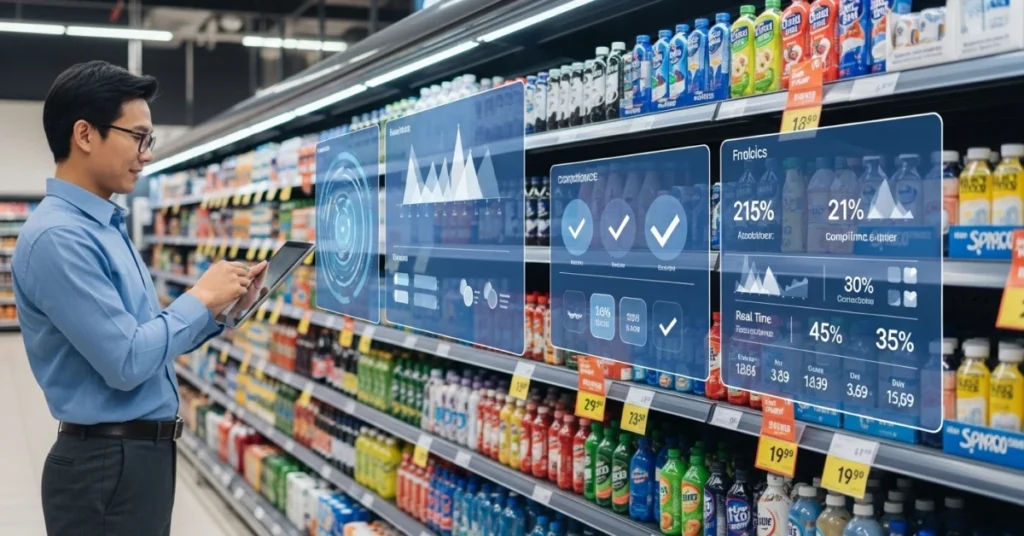
A single failed temperature check is an incident. Ten failed checks at the same station over 30 days is a systemic problem. Build reporting dashboards that surface trends across locations so leadership can prioritize interventions. Operators using data-driven compliance reporting tools consistently outperform peers on health inspection scores.
Step 6: Close the Loop with Corrective Actions
Every failed QC check should generate a documented corrective action with an owner, a due date, and a verification step. Without this loop, checklists become paperwork rather than management tools.
What Role Does Technology Play in Modern Restaurant Quality Control?
The shift from paper-based to digital QC systems is one of the most significant operational changes in the restaurant industry over the past five years. The benefits are not theoretical — they are measurable.
Digital Checklists and Mobile Auditing
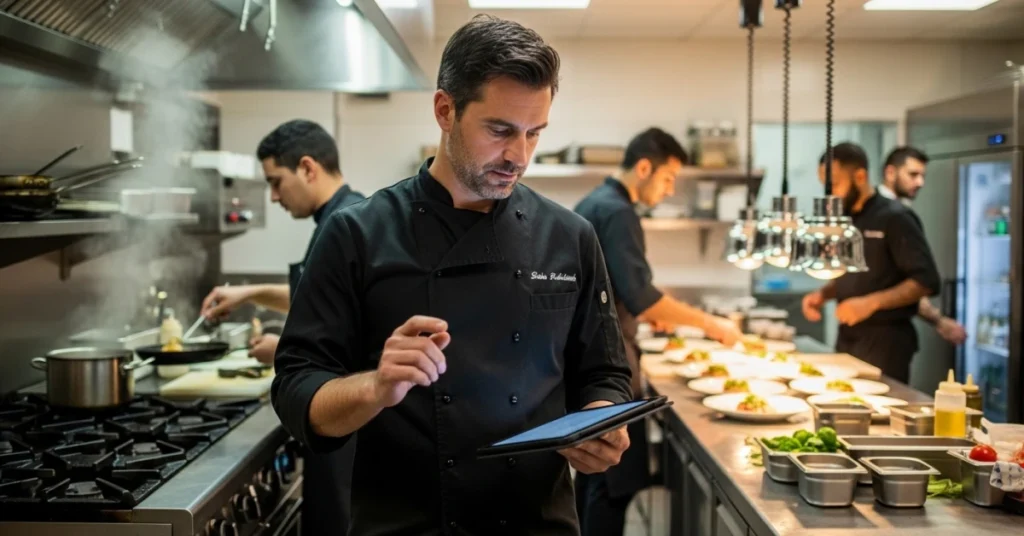
Digital checklists eliminate illegible handwriting, missing entries, and after-the-fact falsification. Staff complete checklists on a tablet or smartphone; the system logs the time, location, and user automatically. Managers receive real-time alerts when a critical control point fails rather than discovering the issue during an end-of-day review.
IoT Temperature Monitoring
Wireless temperature sensors continuously monitor coolers, freezers, and hot-holding equipment. When a unit drifts out of range, an alert fires to the manager’s phone within minutes — not hours. This single technology prevents the most common and costly category of food safety and compliance violations.
AI-Powered Audit Analysis
Emerging platforms now use machine learning to analyze audit data across locations and predict where failures are most likely to occur. This shifts QC from reactive to proactive — catching problems before they become violations or customer complaints.
FieldPie: Closing the Gap Between Inspection and Action
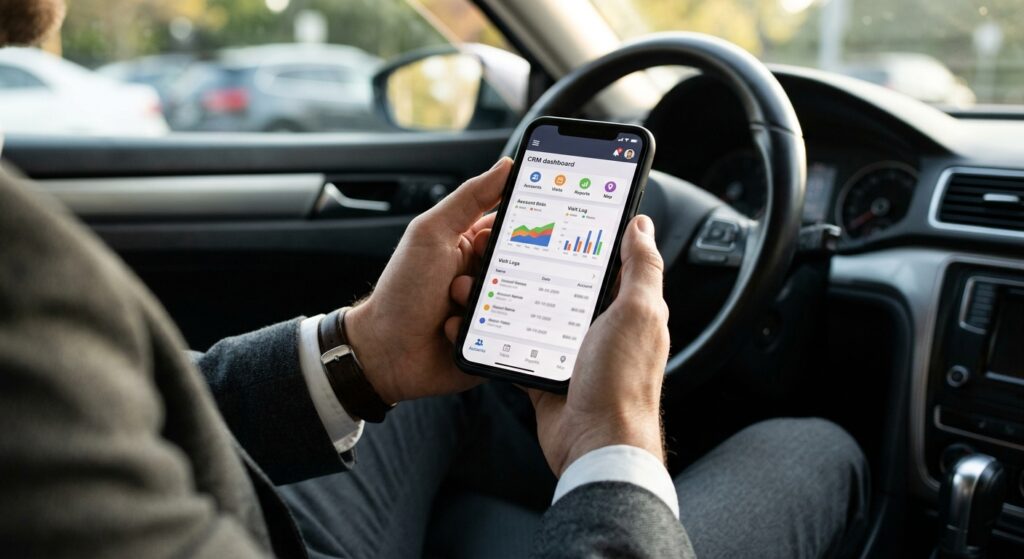
For multi-location restaurant groups, FieldPie offers an end-to-end digital operations platform that integrates QC checklists, real-time field audits, corrective action workflows, and performance analytics in a single interface. Rather than managing disconnected spreadsheets, WhatsApp threads, and paper logs, operations teams get a single source of truth for every location’s compliance status.
FieldPie’s mobile-first design means that field auditors and QA managers can execute inspections from any device, assign corrective actions on the spot, and track resolution rates across the entire portfolio — all without returning to a desk.
What Are the Most Common Restaurant Quality Control Failures?
Understanding where QC breaks down helps operators prioritize their checklists and audits.
| Failure Category | Root Cause | Impact |
|---|---|---|
| Inconsistent portioning | No standardized recipe cards or portion tools | Customer dissatisfaction, food cost variance |
| Temperature abuse | Inadequate monitoring, overloaded coolers | Foodborne illness risk, regulatory violations |
| Cross-contamination | Poor storage hierarchy, inadequate staff training | Allergen incidents, food safety failures |
| Service inconsistency | Undertrained staff, no service standards documentation | Negative reviews, customer churn |
| Supplier non-compliance | No receiving inspection protocol | Substandard products reaching customers |
| Incomplete checklists | Paper-based systems, no accountability mechanism | Compliance gaps, falsified records |
As cloud kitchen operators have documented, delivery-focused restaurant models face an additional layer of QC complexity: the product continues to change in quality during transit, making packaging standards and timing controls critical checkpoints that dine-in operators do not typically need to manage.
How Do Food Safety Regulations Shape Restaurant Quality Control?
Compliance with food safety law is the minimum standard — not the ceiling. Key regulatory frameworks every U.S. operator should know:
- FDA Food Code: Updated every four years; the 2022 edition is the current reference. Adopted in full or in part by all 50 states.
- FSMA (Food Safety Modernization Act): Shifts the emphasis from responding to contamination to preventing it. Requires documented preventive controls for most food service operations.
- HACCP: Mandated by the FDA and USDA for many categories of food production; increasingly expected by health departments for all restaurant types.
- ServSafe Certification: Issued by the National Restaurant Association Educational Foundation; required for at least one manager per establishment in most jurisdictions.
Operators managing franchise or multi-unit networks should also maintain documented quality assurance programs that satisfy brand standards on top of regulatory minimums — and those programs should be auditable at any time.
Frequently Asked Questions (FAQ)
What is the difference between quality control and quality assurance in a restaurant?
Quality assurance (QA) focuses on designing and maintaining the processes that prevent defects — standardized recipes, staff training, and supplier specifications. Quality control (QC) is the inspection-based activity that checks whether those processes produced the expected result — tasting a dish before service, verifying a temperature log, or auditing a closing checklist. QA prevents; QC detects.
How often should a restaurant conduct quality control checks?
Critical food safety checkpoints — temperature logs, sanitizer concentrations, date labels — should be checked at every shift, at minimum twice daily. Service quality and portion accuracy checks should occur during every service. Full facility audits should run monthly on a scheduled basis, with at least one unannounced audit per quarter. Multi-unit operators should layer in corporate-level QA audits on a quarterly or semi-annual schedule.
What should a restaurant quality control checklist include?
A complete checklist should cover five areas: (1) receiving and ingredient inspection, (2) food production and temperature control, (3) storage compliance and labeling, (4) service standards and order accuracy, and (5) facility sanitation and equipment condition. Each item should have a clear pass/fail criterion, a space for corrective action notes, and an accountable staff member assigned to complete and sign off on the check.
Conclusion
Effective restaurant quality control in 2026 is not a clipboard exercise — it is a data-driven, technology-enabled management discipline that spans every touchpoint from supplier receiving dock to the customer’s table. The restaurants that win on consistency are the ones that have documented their standards, trained their staff to those standards, built digital checklists that create accountability, and invested in analytics that surface problems before they become crises.
The gap between knowing what good QC looks like and actually executing it at scale is where most operators struggle. That gap is precisely what platforms like FieldPie are built to close.
Ready to eliminate paper-based QC gaps and build a real-time compliance system across every location?
Start your free FieldPie demo today — and see how leading restaurant groups are turning quality control from a reactive burden into a competitive advantage.