


Understanding Retail Store Marketing
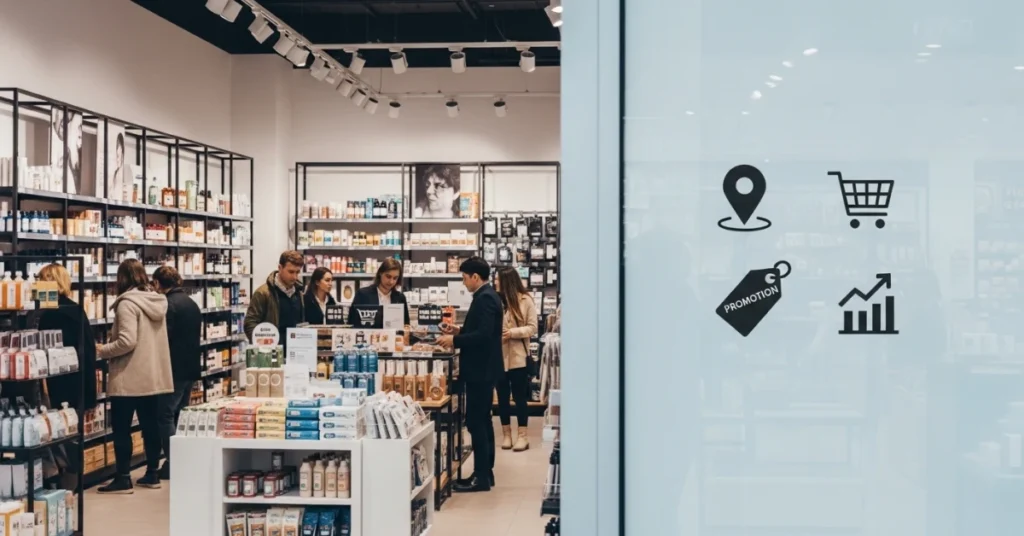
Retail store marketing strategy focuses on attracting nearby customers and converting visits into sales by combining digital discovery with strong in-store execution. To succeed, retailers must design the full customer journey — Awareness → Visit → Experience → Purchase → Loyalty — and optimize each step for conversion and repeat business.
By 2026, 70% of retail media spending will shift to off-site advertising, making it essential to connect digital visibility with physical store performance. Modern stores must operate as experience centers, brand showcases, and service hubs that increase basket size, loyalty, and long-term value.
Customer Behavior in Physical Stores
Because 70% of purchasing decisions happen at the point of sale, retailers must optimize store layout, availability, and assistance to convert visitors into buyers.
Key actions based on behavior:
- Ensure products are easy to find and always in stock
- Design store layout to guide customers toward high-margin and key products
- Train staff to provide fast, confident product guidance
- Align store experience with webrooming customers who researched before visiting
- Reduce friction in navigation and checkout to improve conversion
Store Marketing Mix
A strong retail store marketing mix connects merchandising, pricing, visibility, and promotion into one system that drives traffic, conversion, and profitability.
Key actions:
- Use strategic product placement and displays to increase purchase intent
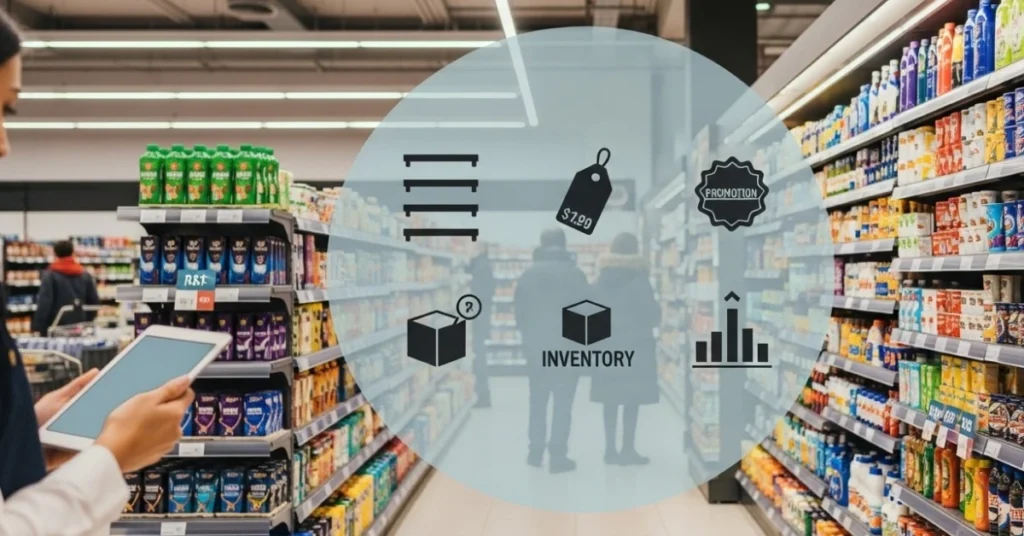
- Track shelf visibility, planogram execution, and promotion compliance
- Optimize local search visibility (Retail SEO) to capture nearby demand
- Maintain clear and competitive pricing to build trust
- Run time-sensitive in-store promotions to trigger immediate buying
- Connect digital discovery → store visit → purchase through omnichannel promotion
Building a Store-Focused Marketing Strategy
To build an effective retail store marketing strategy, retailers must adapt marketing to local market conditions while maintaining brand consistency.
Core execution priorities:
- Target nearby high-intent customers (hyperlocal focus)
- Build local relevance through community connection
- Customize marketing based on store-level behavior and demand
- Measure results at store level (traffic, conversion, revenue)
Strategy 1 — Define Your Local Target Customers
Understanding your local audience is the foundation of a successful retail store marketing strategy. Local customers have unique behaviors, demand patterns, and purchase triggers that directly impact store performance and conversion.
What to do
- Analyze foot traffic by time, day, and customer segment
- Identify local buying patterns and lifestyle differences
- Adjust inventory, staffing, and promotions to local demand
- Use local SEO and geo-targeted keywords to capture nearby searches
- Build store-level customer personas to guide decisions
Strategy 2 — Position Your Store Experience
Your store must clearly communicate why customers should visit physically instead of buying online. Strong positioning improves engagement, dwell time, and repeat visits by emphasizing experiential retail and personal interaction.
What to do
- Highlight hands-on product experience and personal service
- Create a curated atmosphere that increases engagement
- Emphasize physical retail advantages over ecommerce
- Align store identity with local community and customer expectations
- Use experiential elements to increase emotional connection and loyalty
Strategy 3 — Choose the Right Store Marketing Channels
Effective retail store marketing connects digital discovery with physical store execution. The right channel mix ensures customers can easily find, visit, and engage with your store.
What to do
- Optimize Google Business Profile and local search visibility
- Run geo-targeted social media campaigns to drive store visits
- Use in-store displays to influence purchase decisions
- Capture customer data through loyalty and email programs
- Align marketing channels with how customers discover and buy
Strategy 4 — Increase Store Foot Traffic
Driving consistent foot traffic is essential for store growth. The goal is to increase visibility while building long-term demand and local recognition.
What to do
- Improve local SEO and store discovery
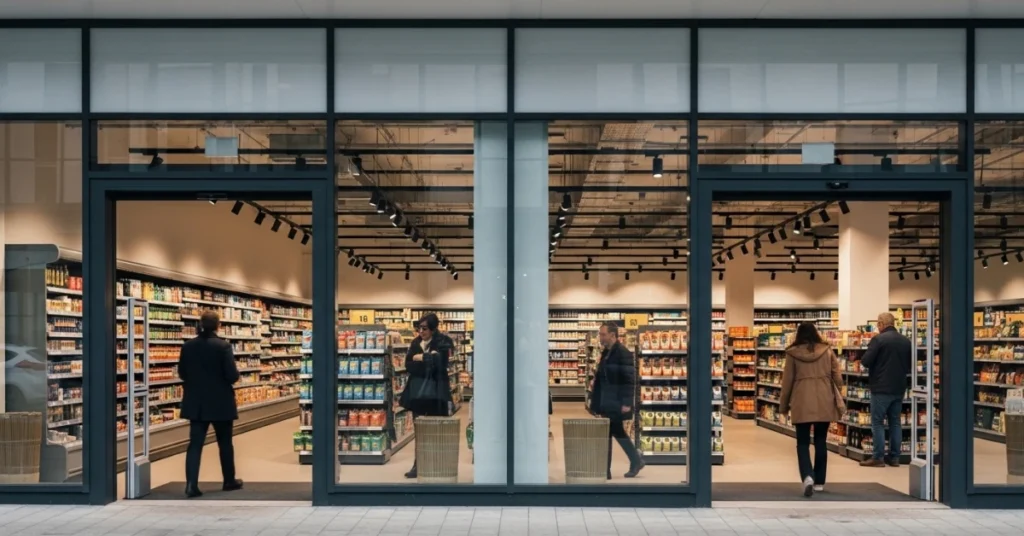
- Use compelling window displays to attract walk-in traffic
- Participate in local events and community partnerships
- Run targeted promotions to create immediate demand
- Combine short-term traffic drivers with long-term brand presence
Strategy 5 — Improve In-Store Experience
A strong in-store experience increases dwell time, conversion rate, and customer loyalty. Every touchpoint inside the store should reduce friction and encourage purchase.
What to do
- Optimize layout for easy navigation and product discovery
- Improve lighting, atmosphere, and store comfort
- Train staff for fast and confident product guidance
- Reduce checkout friction and waiting time
- Use experiential retail to increase engagement and basket size
Strategy 6 — Strengthen Visual Merchandising
Visual merchandising directly influences customer attention, product discovery, and purchase behavior. Strategic placement and presentation improve conversion and sales performance.
What to do
- Place priority and high-margin products at eye level
- Use lighting and focal points to guide customer attention
- Rotate seasonal and promotional displays strategically
- Monitor merchandising execution and fix weak areas
- Use data insights to improve product visibility and conversion
Strategy 7 — Run Store Promotions
Promotions create urgency, increase traffic, and boost short-term sales while supporting long-term customer retention.
What to do
- Use limited-time offers to create urgency
- Align promotions with demand cycles and inventory levels
- Reward repeat customers through loyalty incentives
- Partner with local businesses for cross-promotion
- Track performance and optimize promotion ROI
Strategy 8 — Use Local SEO and Google Visibility
Local search visibility is critical for capturing nearby, high-intent customers actively looking for products or services.
What to do
- Optimize Google Business Profile and store listings
- Use location-based keywords and local content
- Maintain reviews, citations, and local relevance
- Capture high-intent local searches that convert to visits
Strategy 9 — Use Social Media for Store Promotion
Social media helps drive awareness, engagement, and physical store visits when used with location-focused and experience-driven content.
What to do
- Promote store events, arrivals, and in-store experiences
- Use geo-targeted campaigns to reach nearby audiences
- Encourage customer-generated content and reviews
- Build community engagement to increase repeat visits
Strategy 10 — Use Email and Direct Engagement
Direct communication increases retention, repeat visits, and customer lifetime value by maintaining consistent and personalized interaction.
What to do
- Segment customers by behavior and purchase history
- Send personalized offers and store visit triggers
- Use automation for retention and repeat purchase
- Increase lifetime value through loyalty and engagement
Strategy 11 — Track Foot Traffic and Conversion Rate
Measuring traffic and conversion reveals how effectively your marketing attracts and converts customers, enabling continuous improvement.
What to do
- Monitor store visits and conversion regularly
- Identify weak points in layout, availability, or execution
- Optimize merchandising and positioning to improve conversion
Strategy 12 — Improve Sales per Visit and Retention
Long-term retail success depends on increasing basket size, repeat visits, and customer lifetime value.
What to do
- Increase average basket size through merchandising and experience
- Improve repeat visits via loyalty and satisfaction
- Track customer lifetime value and retention trends
- Connect marketing performance to store-level ROI and profitability
Conclusion
Retail store marketing is no longer only about attracting visitors — it is about managing the entire journey from discovery to purchase and loyalty. As digital discovery increasingly influences physical shopping, retailers must connect online visibility with strong in-store execution.
Stores that optimize layout, merchandising, staff interaction, and local marketing can significantly increase conversion rates, basket size, and long-term customer loyalty.
Improve Retail Store Execution with FieldPie
Retail store marketing works best when marketing strategy and store execution operate together.
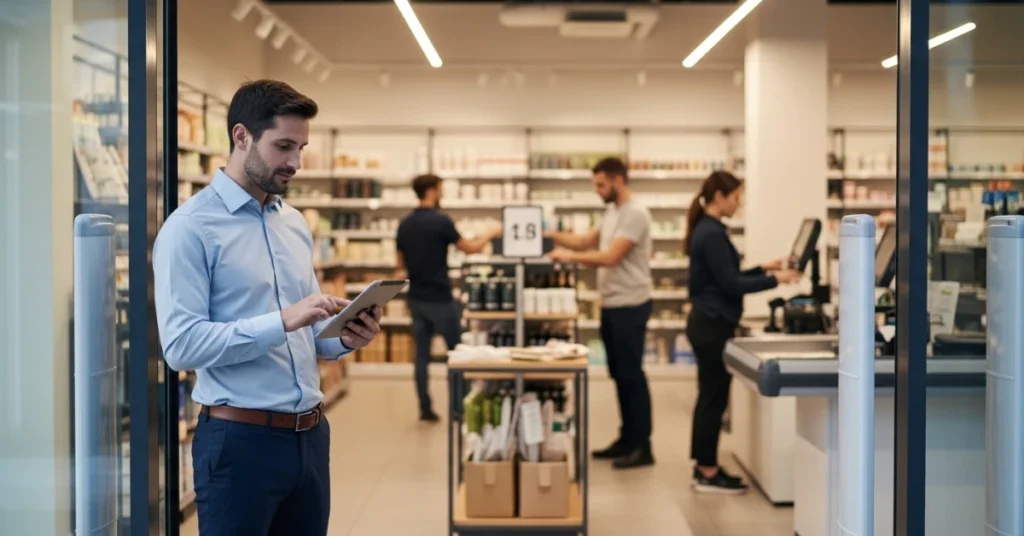
FieldPie helps retailers manage store operations and in-store performance through:
- Store visit and field team management
- Retail audits and merchandising checks
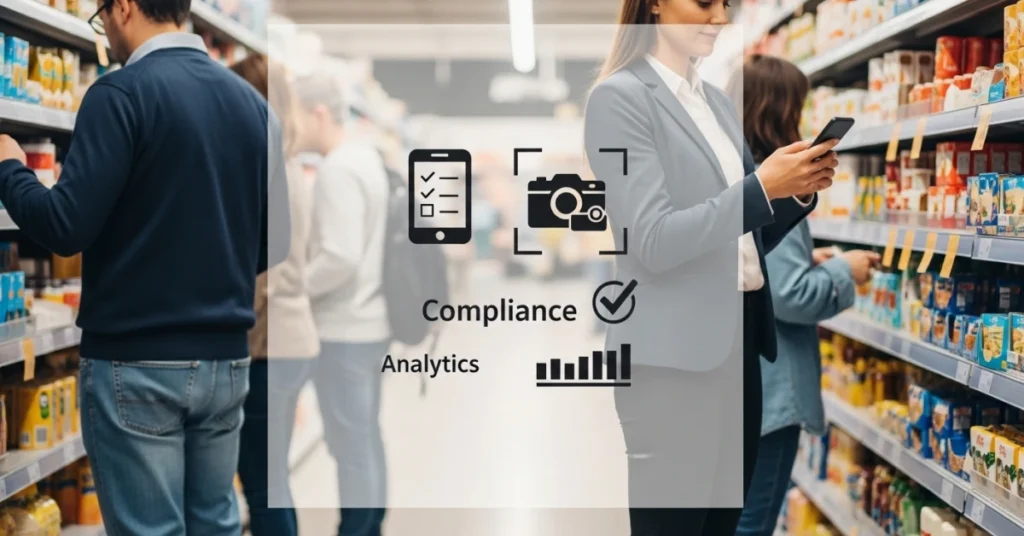
- Planogram and promotion compliance tracking
- Real-time reporting and store performance dashboards
👉 Discover how FieldPie helps retailers improve store execution and request a demo.