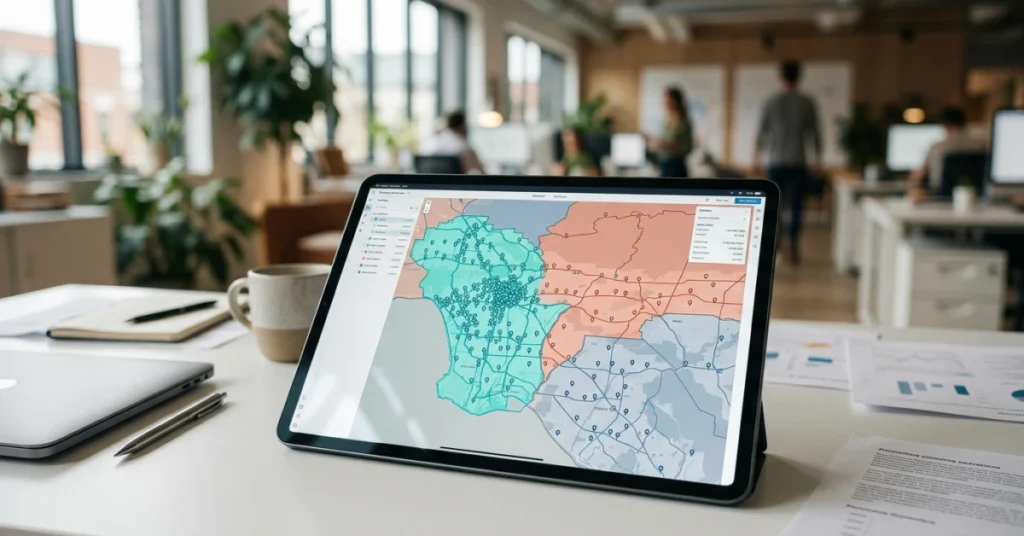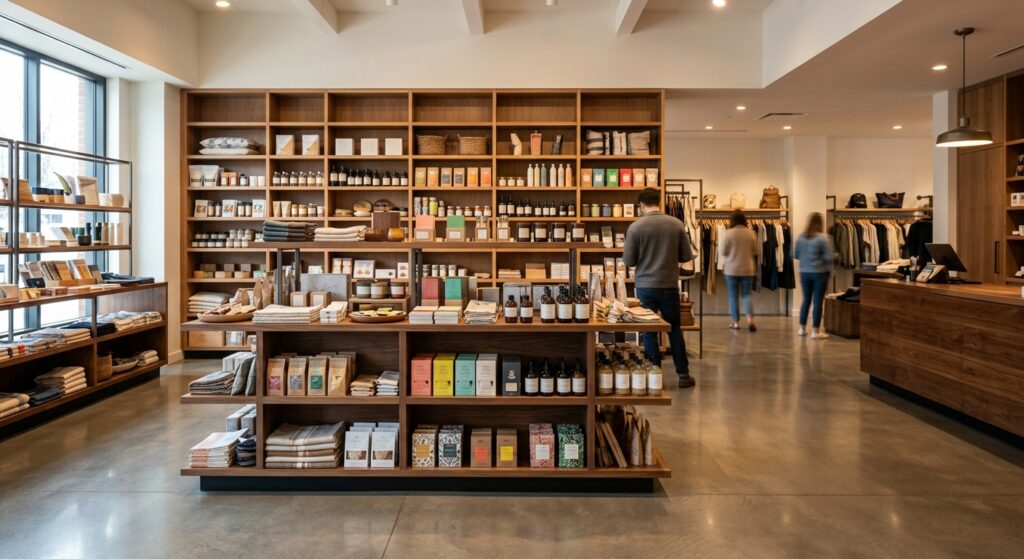
Merchandising is the strategic process of presenting, promoting, and pricing products to maximize sales and enhance the customer shopping experience. It spans both physical store environments and digital channels, using placement, visuals, assortment planning, and pricing tactics to influence purchase decisions at the point of sale.
What Exactly Is Merchandising?
What is merchandising in the broadest sense? According to Sitecore’s retail resource library, merchandising is “the practice and process of displaying and selling products to customers — whether digital or in-store — to influence customer intent and reach sales goals.”
At its core, merchandising sits at the intersection of marketing, operations, and psychology. It answers three fundamental questions every retailer must resolve:
- What products should be on the shelf or website?
- Where should those products be positioned?
- How should they be priced and presented to trigger a purchase?
When done well, merchandising turns passive browsers into active buyers. When neglected, it leaves revenue on the table regardless of how strong the underlying brand or product may be.
How Did Merchandising Evolve Over Time?
Merchandising is, as Sitecore notes, “as old as trade itself.” Street market vendors in ancient Mesopotamia arranged goods to attract foot traffic — a practice that maps directly to what modern retailers do today.
The industrial revolution shifted merchandising from individual artisan stalls to large-scale department stores, where category management and planograms became essential management tools. The 20th century introduced self-service store layouts, end-cap displays, and loss-leader pricing strategies that remain standard today.
The digital era added an entirely new dimension. E-commerce platforms transformed the website into a virtual store floor, where algorithms replaced physical shelf space and cookie-based personalization replaced the attentive sales associate. Today, the discipline encompasses both worlds simultaneously through omnichannel strategies.

What Are the Main Types of Merchandising?
Understanding the landscape requires distinguishing between the core types. Each serves a different context and requires a different management approach.
| Type | Primary Channel | Core Focus |
|---|---|---|
| Retail Merchandising | Physical store | Shelf placement, planograms, signage |
| Visual Merchandising | Physical store | Store layout, displays, lighting |
| Digital Merchandising | Website / app | Search ranking, product pages, UX |
| Product Merchandising | All channels | Product selection, packaging, positioning |
| Omnichannel Merchandising | Unified | Consistent experience across all touchpoints |
| Brand Merchandising | All channels | Branded merchandise, licensing, brand equity |
What Is Retail Merchandising?
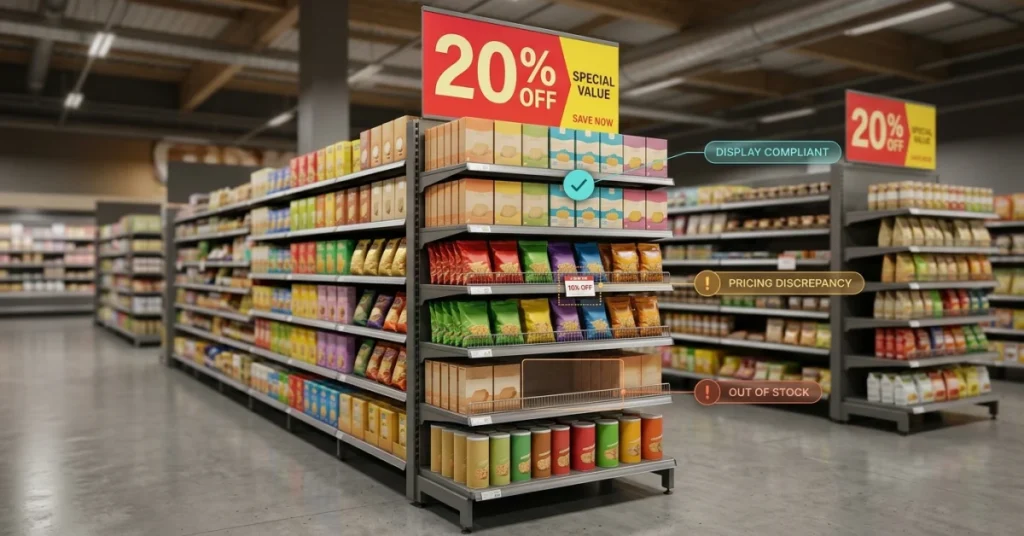
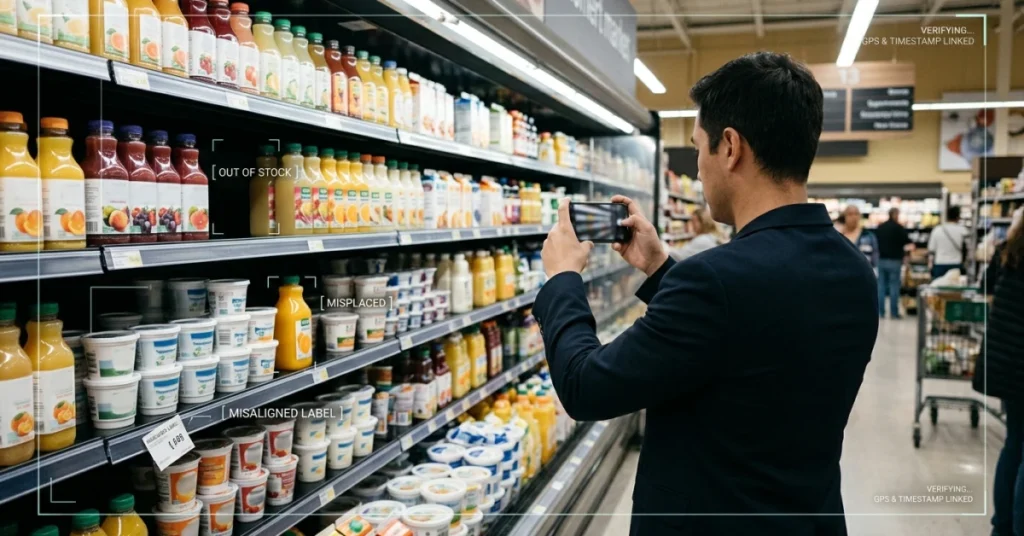
Retail merchandising focuses on how products are physically arranged and managed inside a store. It involves planogram compliance, shelf-space allocation, stock replenishment, and in-store signage. Retailers use category management principles to group related products in ways that reflect how shoppers actually think and shop, rather than how suppliers prefer to organize their inventory.
Effective retail merchandising directly affects basket size. Research cited by the Engagement Group confirms that strategic product placement and well-executed in-store displays are among the highest-ROI investments a brand can make in a physical store environment.
What Is Visual Merchandising?
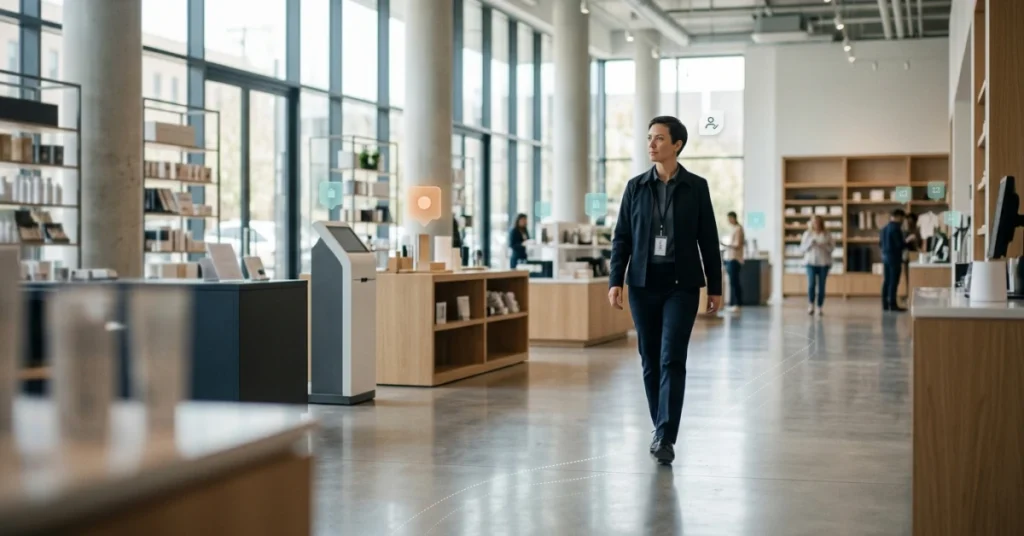
Visual merchandising is the art and science of creating a compelling store environment. It covers window displays, interior layouts, lighting, color schemes, and fixture design. The goal is to craft a shopping atmosphere that reinforces the brand, guides traffic flow, and encourages customers to spend more time — and money — in the store.
Strong visual merchandising elevates the customer experience from a transactional errand into an engaging brand encounter. Apple Stores, for instance, have built an entire retail identity around visual merchandising principles: open tables, minimal signage, and hands-on product engagement.
What Is Digital Merchandising?
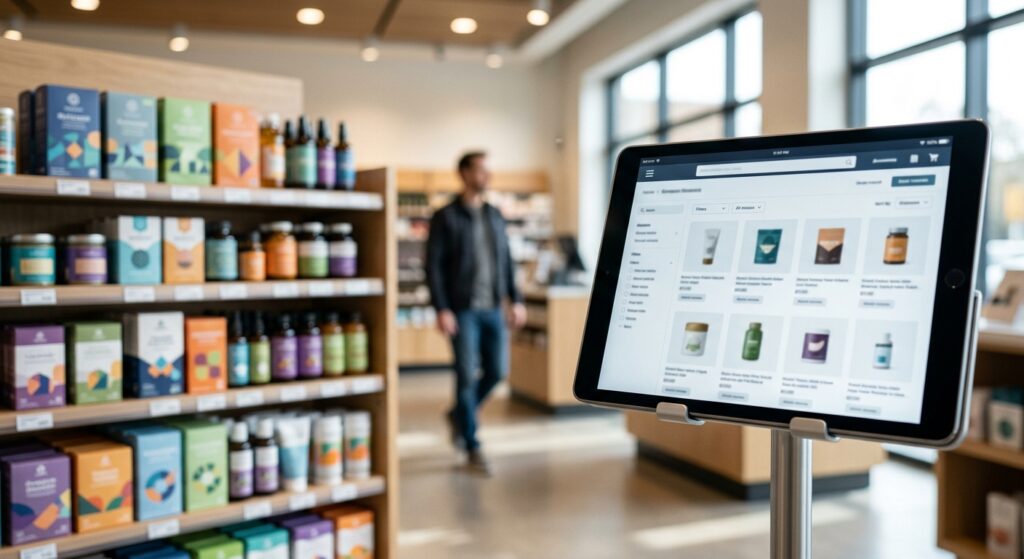
Digital merchandising applies the same core principles to a website or app. Product listing order, search result ranking, homepage banners, cross-sell recommendations, and pricing displays all fall under this category. A well-merchandised e-commerce website uses cookie data and behavioral analytics to surface the right products to the right shopper at the right moment.
What Are the Core Elements of Merchandising?
What is merchandising without its foundational building blocks? Oracle’s retail team identifies five essential elements that define a complete merchandising strategy:
1. Product Selection and Assortment Planning
Choosing which products to carry — and in what depth and breadth — is the first decision in any merchandising process. Category management frameworks help retailers balance core staples, seasonal items, and trend-driven additions. Poor assortment planning leads to either stockouts (lost sales) or overstock (margin erosion).
2. Pricing Strategy
Pricing is one of the most powerful levers in merchandising. Retailers use several models:
- Everyday low pricing (EDLP): Consistent low prices without frequent promotions (Walmart’s model)
- High-low pricing: Regular prices with periodic deep discounts to drive traffic
- Psychological pricing: $9.99 instead of $10.00 to influence perception
- Dynamic pricing: Real-time price adjustments based on demand, competition, and inventory levels
Pricing decisions must align with overall brand positioning. A premium brand that competes on price too aggressively risks eroding the perception of quality.
3. Store Layout and Space Management
How a physical store is organized directly influences the shopping journey. Retailers use “decompression zones” at entrances, power aisles to direct traffic, and strategic placement of high-margin items at eye level. Category adjacency — placing complementary products near each other — increases cross-sell rates and average transaction value.
4. Visual Presentation and Display
Beyond layout, the actual presentation of merchandise matters enormously. Proper shelf facing, clean fixtures, accurate price labels, and compelling point-of-sale materials all contribute to a professional, trustworthy shopping environment. Inconsistent or sloppy presentation damages brand credibility even when the product itself is excellent.
5. Inventory and Supply Chain Management
Merchandising strategy only delivers results when the right products are available at the right time. Inventory management — including demand forecasting, reorder point calculations, and supplier management — is the operational backbone of effective merchandising. As Sitecore explains, supply chain visibility is a non-negotiable component of modern merchandising management.
What Are the Proven Benefits of Effective Merchandising?
Retailers who invest in disciplined merchandising programs consistently outperform those who don’t. The measurable benefits include:
- Higher conversion rates: Well-placed products with clear pricing reduce decision friction and increase purchase likelihood.
- Increased average order value: Strategic cross-merchandising and upsell placement drive larger basket sizes.
- Stronger brand equity: Consistent visual presentation and premium store experiences reinforce brand positioning.
- Reduced shrinkage and waste: Disciplined inventory management and category planning minimize overstock and obsolescence.
- Improved customer engagement: Compelling displays and intuitive store layouts create memorable shopping experiences that drive repeat visits.
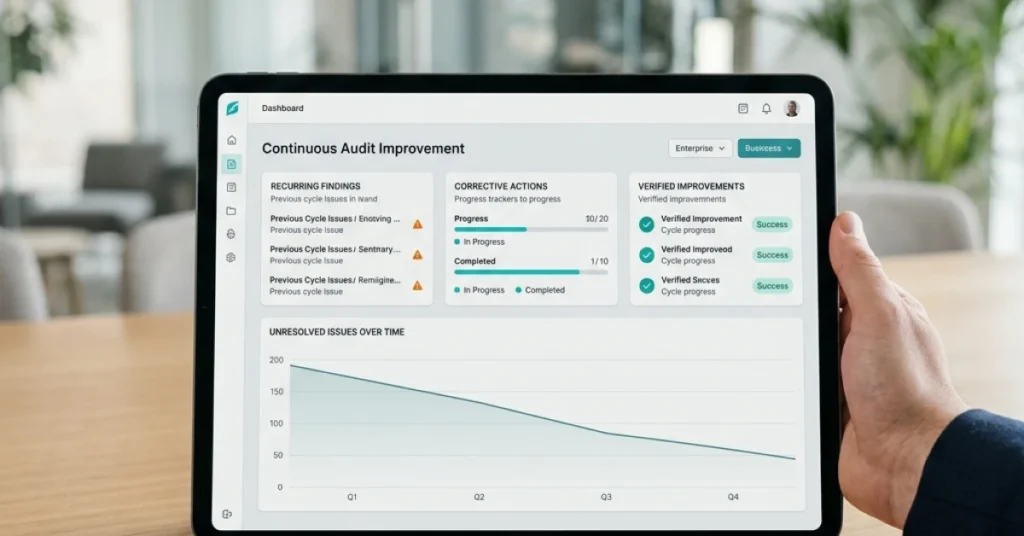
- Better data-driven decisions: Modern merchandising management platforms generate actionable insights on what sells, where, and at what price.
What Is the Difference Between Merchandising and Marketing?
This is one of the most common points of confusion among retail professionals. Marketing and merchandising are complementary but distinct disciplines.
Marketing drives awareness and desire for a product or brand. It operates upstream of the purchase — through advertising, content, social media, and public relations — to bring shoppers to the store or website.
Merchandising converts that awareness into a sale. It operates at the point of purchase, ensuring that the right product is visible, accessible, and compellingly presented when the shopper is ready to buy.
Put simply: marketing brings people to the door; merchandising gets them to open their wallets.
The two disciplines must work in close alignment. A marketing campaign that drives traffic to a poorly merchandised store or website will underperform dramatically. Conversely, a brilliantly executed store with no marketing driving foot traffic will also fail.
Merchandising vs. Category Management: What’s the Difference?
Category management is a subset of merchandising that focuses specifically on managing a group of related products as a strategic business unit. While merchandising covers the full spectrum of product presentation and sales strategy, category management zooms in on:
- Defining the scope and role of a category within the overall store assortment
- Analyzing shopper behavior within that specific category
- Setting category-specific pricing, promotion, and space allocation strategies
- Measuring category performance against defined KPIs
Most large retailers and brands treat category management as a distinct discipline with dedicated teams. However, in smaller organizations, merchandising and category management responsibilities often sit with the same person or team.
For a practical breakdown of how to structure category roles and responsibilities, see our guide on building an effective category management framework.

Frequently Asked Questions (FAQ)
What is the primary goal of merchandising?
The primary goal of merchandising is to maximize sales and profitability by ensuring the right products are available in the right place, at the right price, and presented in a way that motivates purchase. It also aims to enhance the customer shopping experience to drive loyalty and repeat visits.
What is the difference between retail merchandising and visual merchandising?
Retail merchandising is the broader discipline covering product selection, assortment planning, pricing, inventory management, and shelf placement across a store. Visual merchandising is a specialized subset that focuses specifically on the aesthetic and sensory presentation of products — including displays, lighting, signage, and store layout — to create an engaging brand experience.
How does digital merchandising differ from traditional in-store merchandising?
Digital merchandising applies core merchandising principles to online channels, using a website’s architecture, search functionality, product page design, and personalization algorithms instead of physical shelves and displays. While the tactics differ, the underlying objective is identical: present the right product to the right shopper at the right moment to maximize conversion and revenue.
Conclusion
What is merchandising at its most fundamental? It is the discipline that bridges product and purchase — the operational and strategic practice of ensuring that the right goods reach the right customers in the most compelling way possible, whether on a physical store shelf or a digital website.
From assortment planning and pricing strategy to visual displays and real-time inventory management, merchandising touches every dimension of the retail experience. In 2026, the retailers winning in both physical and digital channels are those who treat merchandising not as a back-office function but as a core driver of customer engagement, brand value, and revenue growth.
The checklist and frameworks in this guide give you a concrete starting point. The next step is building the operational infrastructure — including field execution tools, data platforms, and cross-functional management processes — to turn strategy into consistent, measurable store-level results.