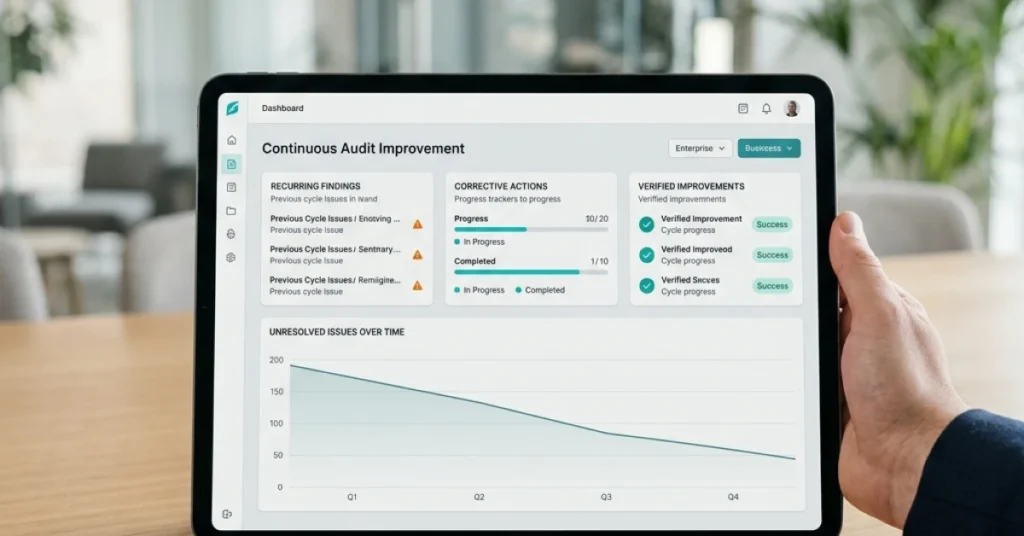




A construction snag list is a formal, itemized record of defects, incomplete work, or non-conforming items identified before a project is handed over to the client. It captures everything from minor cosmetic issues to functional failures that must be resolved to meet contract specifications. Typically compiled during the final inspection walkthrough, it protects both parties and ensures quality standards are met.
What Exactly Is a Construction Snag List — and Why Does It Matter?
Snagging is the process of systematically identifying and documenting every outstanding issue on a construction project before practical completion is declared. According to a construction resource library, a snag list — also called a punch list or deficiency list — covers any work not completed to specification, incorrect installs, or items that impair proper building functionality.
The stakes are real. Unresolved defects at handover create legal disputes, delay final payment, and damage contractor reputation. A well-executed snagging process eliminates these risks by creating an auditable paper trail that holds every subcontractor accountable.
Key reasons snagging matters:
- Contractual compliance: Confirms all work meets the agreed scope and specifications.
- Payment protection: Final retention is typically released only after the snag list is cleared.
- Liability management: Documented defects prevent post-handover disputes over responsibility.
- Client trust: A clean handover signals professionalism and builds long-term relationships.
As a construction blog notes, larger issues on a project typically carry urgency and are addressed through formal variations — meaning snag list items are generally smaller fixes that accumulate and, if ignored, compound into costly rework.
What Should a Construction Snag List Template Include?
A solid template is the backbone of effective snagging. Whether you use a paper form or digital inspection software, every construction snag list template must capture the same core data fields to be legally defensible and operationally useful.
Essential Fields for Every Snag List Template
| Field | Purpose | Example Entry |
|---|---|---|
| Snag ID | Unique reference for tracking | SNL-2026-047 |
| Location / Zone | Pinpoints the defect on site | Level 3, Unit 12B |
| Description of Defect | Clear, factual account of the issue | Hairline crack in plasterboard, 300mm |
| Trade Responsible | Assigns accountability | Plastering subcontractor |
| Priority Level | Guides remediation sequencing | High / Medium / Low |
| Date Identified | Creates an audit timeline | 2026-04-14 |
| Target Completion Date | Enforces deadline discipline | 2026-04-21 |
| Inspector Name | Establishes sign-off authority | Site Manager, J. Harrington |
| Status | Tracks resolution progress | Open / In Progress / Closed |
| Photo Reference | Visual evidence of defect | IMG_0472.jpg |
A good template also includes a sign-off section where both the contractor and client confirm that each snag has been resolved to the required standard. Without this, clearance disputes arise at the most inconvenient time — right before final payment.

How Does the Snagging Process Work? A Step-by-Step Inspection Guide
Understanding the snagging workflow from start to finish allows project managers to plan resources, set realistic timelines, and avoid the rushed, error-prone inspections that miss critical defects.
Step 1: Schedule the Pre-Handover Inspection
Arrange the snagging walkthrough at least two weeks before the anticipated practical completion date. This window gives trades enough time to address identified defects before the formal handover.
Step 2: Assemble the Right Inspection Team
Effective snagging requires the right people in the room. A typical inspection team includes:
- The main contractor’s site manager
- The client’s representative or project manager
- The architect or design consultant
- Specialist subcontractors (MEP, structural, finishes)
Step 3: Conduct a Systematic Room-by-Room Inspection
Work methodically through the building using a pre-prepared checklist. Inspect from top to bottom — ceiling, walls, floors — in every room. Document each defect immediately, attaching a photograph and precise location reference. This is where digital inspection tools dramatically outperform paper-based forms.
Step 4: Assign, Prioritize, and Distribute the Snag List
Once the inspection is complete, categorize defects by trade and priority. Distribute the completed snag lists to each responsible party with clear deadlines. Every subcontractor receives only the items relevant to their scope — keeping communication clean and accountability sharp.
Step 5: Monitor Remediation Progress
Track open items daily. For large projects, weekly snagging review meetings keep progress visible and prevent items from stalling. Use your construction project management platform to update item status in real time so all stakeholders see the same information.
Step 6: Conduct Re-Inspection and Sign Off
Once a subcontractor marks items as complete, the site manager or inspector re-inspects each one before closing it on the list. Never close a snag item based solely on the contractor’s word — independent verification is non-negotiable.
Step 7: Issue the Practical Completion Certificate
When all snag items are resolved and signed off, the practical completion certificate can be issued. This triggers the start of the defects liability period — typically 12 months in the UK under JCT contracts — during which any latent defects that emerge remain the contractor’s responsibility.
What Are the Most Common Construction Snag Items?
Knowing what to look for accelerates the inspection process and reduces the risk of missing items that surface later as expensive warranty claims. These are the defect categories that appear most frequently on snag lists across residential and commercial projects.
Structural and Building Fabric Defects
- Cracks in plaster, render, or masonry
- Gaps around door and window frames
- Uneven or hollow floor screeds
- Poorly fitted skirting boards and architraves
Mechanical, Electrical, and Plumbing (MEP) Defects
- Non-functional sockets, switches, or lighting circuits
- Incorrect pipe falls causing drainage issues
- HVAC systems failing to reach specified temperatures
- Missing or incorrectly installed fire dampers
Finishes and Cosmetic Defects
- Paint runs, misses, or color inconsistencies
- Tile lippage exceeding BS 5385 tolerances (typically 1mm)
- Scratched or damaged glazing
- Poorly sealed wet room areas
External and Landscaping Defects
- Inadequate surface drainage gradients
- Damaged or incomplete paving
- Fencing posts not set to specified depths
As BauMaster’s snagging guide highlights, the volume of defects on a typical project can range from a handful of items on a small residential build to several hundred on a large commercial project — making organized, digital management essential rather than optional.
Paper vs. Digital Snag Lists: Which Approach Wins in 2026?
The construction industry has been slow to abandon clipboards and spreadsheets, but the evidence for digital snagging is now overwhelming. Here is a direct comparison.
| Criterion | Paper / Spreadsheet | Digital Snagging Software |
|---|---|---|
| Speed of documentation | Slow — manual transcription required | Fast — capture on-site via mobile |
| Photo attachment | Separate process, often lost | Embedded directly to each snag item |
| Real-time visibility | None — updates require re-distribution | All stakeholders see live status |
| Audit trail | Weak — version control issues | Automatic, timestamped log |
| Reporting | Manual — hours of effort | Automated — generated in seconds |
| Accountability | Difficult to enforce | Assigned by name with deadline alerts |
| Cost of errors | High — rework discovered late | Low — issues caught and resolved faster |
Digital solutions allow site managers to manage snag lists from a mobile device, attach geo-tagged photographs, and generate client-ready reports instantly.
Construction Snag List Checklist: 30 Items to Inspect Before Handover
Use this checklist as the foundation for your snagging walkthrough. Adapt it to your project type and contract specifications.
Interior — Walls, Ceilings, and Floors
- Plasterwork smooth, no cracks, hollows, or blow spots
- Paint finish consistent, no runs, misses, or sheen variation
- Ceiling tiles aligned, undamaged, and correctly installed
- Floor coverings flat, fully bonded, with no lippage or gaps
- Skirting boards fitted tight, mitred joints clean
Doors, Windows, and Glazing
- All doors hang correctly, latch first time, and seal at threshold
- Window mechanisms operate smoothly; restrictors fitted where required
- Glazing free of scratches, cracks, or installation damage
- Ironmongery — handles, hinges, locks — all fitted and functional
- Seals and mastic around frames complete and weathertight
Mechanical, Electrical, and Plumbing
- All sockets and switches tested and operational
- Lighting circuits commissioned; emergency lighting tested
- Boiler or HVAC system commissioned to design specification
- Hot and cold water flows tested at all outlets
- Drainage tested for correct falls and no blockages
- Fire alarm and detection system commissioned and certified
- Sprinkler system — if applicable — pressure-tested and signed off
- All pipe work and ductwork insulated per specification
Wet Rooms and Kitchens
- Tiling grout fully cured, consistent color, no voids
- Silicone seals at baths, showers, and worktops — continuous and clean
- Extractor fans operational and ducted to outside
- Worktops and cabinetry fitted level, joints tight
External Works
- Roof covering inspected — no slipped tiles, open laps, or flashing gaps
- Gutters and downpipes fixed, fall correct, no leaks at joints
- External render or cladding — no cracks, gaps, or missing fixings
- Paving and hardstanding — no trip hazards, adequate drainage fall
- Boundary fencing and gates — secure, plumb, and to specified finish
- External lighting operational
- Landscaping completed per specification
Documentation and Compliance
- Building regulations completion certificate obtained
- O&M manuals compiled and handed over
- As-built drawings issued
- All test and commissioning certificates collated
- Warranties and guarantees for installed products registered
Teams that manage structured compliance documentation workflows alongside their snag lists consistently achieve faster practical completion sign-offs and fewer post-handover disputes.
What Are the Key Stakeholder Roles in the Snagging Process?
Snagging is not a solo activity. Each party in the project has a defined role, and misunderstanding those roles is one of the most common reasons snag lists drag on past practical completion.
Main Contractor: Owns the overall snagging process. Responsible for coordinating subcontractor remediation, maintaining the master snag list, and ensuring all items are closed before requesting the completion certificate.
Subcontractors: Responsible for rectifying defects within their scope. Must acknowledge receipt of assigned snag items, provide realistic completion dates, and notify the main contractor when work is done for re-inspection.
Architect / Design Consultant: Verifies that completed work meets design intent and specification. Signs off items that fall within their professional remit — finishes, detailing, material compliance.
Client / Employer: Has the right to conduct their own snagging inspection and add items to the list. Should not, however, use the snag list as a vehicle to introduce scope changes — these must be handled through the variation order process.
Project Manager: Oversees the timeline for snag clearance, chairs snagging review meetings, and escalates stalled items. Using a dedicated construction project tracking tool ensures the PM has real-time visibility without relying on manual status updates.

How Do You Reduce Snag Items Before the Final Inspection?
The best snag list is a short one. The most effective teams reduce defect volumes at handover by building quality control into the construction process itself — not treating it as an end-of-project event.
Conduct rolling stage inspections. Don’t wait until practical completion to start snagging. Inspect at the end of each work stage — foundations, frame, first fix, second fix, finishes. Defects caught early cost a fraction of those found at handover.
Use standardized inspection forms. Consistent forms mean nothing gets missed because an inspector forgot to check it. Digital inspection forms with mandatory fields prevent incomplete records.
Hold subcontractors to quality standards in real time. When a subcontractor completes a section of work, the site manager should inspect it immediately — not weeks later. Immediate feedback loops prevent bad habits from spreading across the project.
Implement a pre-snagging inspection. Before the formal client walkthrough, run an internal snagging pass. Identify and resolve as many items as possible so the client-facing list is minimal. This protects your professional reputation and speeds up final payment.
Track defect trends. If the same trade is generating a disproportionate share of snag items, that is a data signal — not just an operational nuisance. Use your field team performance analytics platform to identify patterns and address root causes before they become systemic.
Deltek’s ultimate guide to snag lists emphasizes that teams using structured digital workflows consistently close snag items faster and with fewer re-inspection cycles than those relying on manual processes — a finding consistent with what leading contractors report across both residential and commercial sectors.
Frequently Asked Questions (FAQ)
What is the difference between a snag list and a punch list?
They are the same thing with different regional names. “Snag list” and “snagging list” are the terms used predominantly in the UK, Ireland, and Australia, while “punch list” is the standard terminology in the United States and Canada. Both refer to an itemized list of defects and incomplete work that must be resolved before practical completion is certified.
Who is responsible for creating the construction snag list?
Responsibility typically rests with the main contractor’s site manager, who conducts the pre-handover inspection and compiles the formal snag list. However, the client or their appointed representative—such as a project manager or architect—has the right to review, verify, and add items before final acceptance.