


Retail success depends on more than just attracting customers—it requires turning attention into actual purchases. In this guide, we explore practical strategies for increasing retail sales, focusing on smarter pricing, stronger merchandising, improved customer experience, and data-driven decision-making that helps stores convert more visitors into buyers.
1. Understand Customer Behavior Before Improving Sales
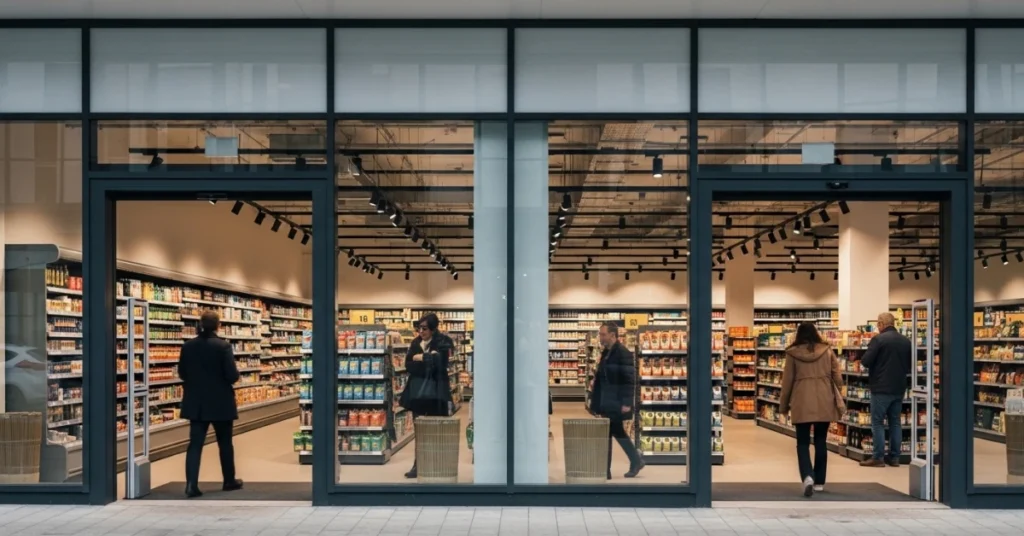
Retail performance improves when stores align product placement and promotions with real shopping behavior. Understanding how customers move, browse, and make decisions helps retailers remove friction and focus on actions that contribute to increasing retail sales.
Key customer insights to analyze
- Store traffic flow: Identify the most visited aisles and pathways to place promotions and high-margin products in high-visibility areas.
- Most viewed product zones: Track which shelves or displays attract the most attention. Eye-level placement and clear visibility often generate stronger engagement.
- Category conversion rates: Compare how many shoppers view a category versus how many complete a purchase to identify pricing, placement, or messaging issues.
- Peak shopping hours: Analyze busy periods to schedule staff, adjust merchandising, and launch promotions when demand is highest.
2. Optimize Product Placement and Store Layout
Product placement strongly influences what customers notice and purchase. A well-designed store layout improves visibility, guides customer flow, and makes it easier for shoppers to discover products.
Placement strategies
- Place high-margin products at eye level: Eye-level shelves receive the most attention and are ideal for premium or high-profit products.
- Use end-cap displays for promotions: End-cap positions attract strong visibility and work well for seasonal items, new launches, or limited-time offers.
- Position impulse products near checkout: Small, low-cost items placed at checkout encourage quick, last-minute purchases.
- Group complementary products together: Combine related items such as pasta with sauce or phones with accessories to simplify purchase decisions and increase basket size.
3. Use Smart Pricing and Promotions
Pricing strategies strongly influence how quickly customers decide to buy. Clear and well-structured promotions reduce hesitation and help retailers drive faster purchasing decisions.
Effective promotion types
- Percentage discounts for higher-priced products: Percentage-based offers feel more valuable on expensive items and help customers clearly understand their savings.
- Bundle promotions to increase basket size: Selling complementary products together at a better price encourages customers to buy more items in a single transaction.
- Limited-time offers to create urgency: Flash sales and time-limited promotions motivate customers to act quickly instead of delaying their purchase.
4. Strengthen Visual Merchandising
Effective visual merchandising attracts attention and guides shoppers toward purchase decisions. Organized shelves and clear displays make products easier to browse and compare.
Visual merchandising tips
- Maintain organized shelves: Clean, well-stocked shelves improve product visibility and create a professional shopping environment.
- Highlight seasonal or promotional products: Dedicated displays for seasonal items or promotions capture attention and create urgency.
- Use clear signage and price labels: Simple, visible pricing helps customers understand offers quickly and make faster decisions.
5. Train Staff in Consultative Selling
Sales associates play a crucial role in converting visitors into buyers. When staff understand customer needs and recommend relevant products, the overall shopping experience improves and sales opportunities increase.
Key skills
- Strong product knowledge: Staff should clearly explain product features and benefits to help customers make confident decisions.
- Upselling and cross-selling: Suggesting higher-value alternatives or complementary items can increase both basket size and transaction value.
- Active customer engagement: Friendly interaction and thoughtful recommendations build trust and encourage purchases.
6. Increase Average Transaction Value
Growing the value of each purchase is often easier than increasing store traffic. Encouraging customers to add complementary items or upgrade their selections helps improve revenue while supporting increasing retail sales.
Techniques
- Cross-merchandising displays: Place related products together to encourage customers to purchase multiple items.
- Add-on product suggestions: Recommend small complementary products at checkout to increase basket size.
- Bundle promotions: Offer product combinations at a slightly reduced price to motivate larger purchases.
7. Maintain Strong Product Availability
Few factors influence store revenue more than product availability. When shelves are empty, customers often leave without purchasing or switch to competitors.
Solutions
- Real-time inventory monitoring: Track stock levels continuously to detect low inventory before shelves become empty.
- Faster replenishment cycles: Improve coordination between store teams and inventory systems to restock shelves quickly.
- Demand forecasting: Use historical data and seasonal trends to predict demand and prevent stock shortages.
8. Leverage Data and Retail Analytics
Retailers that rely on data make better operational decisions and identify sales opportunities faster. Tracking the right metrics helps optimize pricing, merchandising, and store performance.
Key metrics to track
- Conversion rate: Measures how many visitors make a purchase. Improving conversion often has a greater impact than increasing traffic.
- Average transaction value (ATV): Shows how much customers spend per purchase and highlights opportunities for cross-selling or bundling.
- Sales per square foot: Indicates how efficiently store space generates revenue.
- Inventory turnover: Tracks how quickly products sell and helps retailers avoid slow-moving inventory.
9. Drive More Foot Traffic with Digital Marketing
Digital marketing helps retailers attract nearby customers and convert online interest into store visits. A strong digital presence plays an important role in driving retail revenue growth.
Effective channels
- Local SEO and Google Business Profile: Accurate store listings, reviews, and photos improve visibility in local searches.
- Social media promotions: Promote flash sales, product launches, and in-store events to drive traffic.
- Email marketing campaigns: Targeted promotions and loyalty offers encourage repeat visits.
10. Use In-Store Experiences to Increase Engagement
Interactive experiences encourage customers to spend more time in the store and explore products more deeply. Hands-on engagement helps turn browsing into buying.
Examples
- Product demonstrations: Show how products work and highlight key benefits.
- Sampling stations: Allow customers to try products before purchasing, increasing buying confidence.
- Interactive displays: Tablets, QR codes, or digital screens provide product information and personalized recommendations.
11. Measure and Optimize Sales Strategies
Retail success requires continuous testing and improvement. Monitoring performance metrics helps retailers identify what works and refine their strategies.
Important KPIs
- Conversion rate: Shows how effectively the store turns visitors into buyers.
- Customer retention: Measures how often customers return to purchase again.
- Promotion ROI: Evaluates whether promotional campaigns generate profitable results.
12. Combine Online and Offline Retail Strategies
Connecting digital channels with physical stores creates a seamless shopping experience and helps retailers reach customers across multiple touchpoints.
Examples
- Click and collect: Customers order online and pick up in-store, combining convenience with fast fulfillment.
- Mobile promotions for nearby customers: Location-based offers encourage nearby shoppers to visit the store.
- Online product discovery with in-store pickup: Customers research products online and complete the purchase in-store.
13. Design Store Layout Around Shopper Flow
Store layout should reflect how customers actually move inside the store. When retailers design layouts based on real shopper behavior, they reduce friction and improve product visibility, which plays an important role in improving overall store performance.
Layout optimization strategies
- Map customer traffic paths: Analyze how shoppers naturally move through the store to identify high-traffic zones where promotions and high-margin products should be placed.
- Position key categories along natural pathways: Place popular or essential product categories along main customer routes to ensure they receive maximum visibility.
- Create clear navigation inside the store: Wide aisles, logical category grouping, and clear signage help customers find products faster and reduce frustration.
- Use destination products to guide movement: Place high-demand products deeper in the store to encourage customers to explore additional categories along the way.
14. Use Retail Technology to Monitor Store Performance
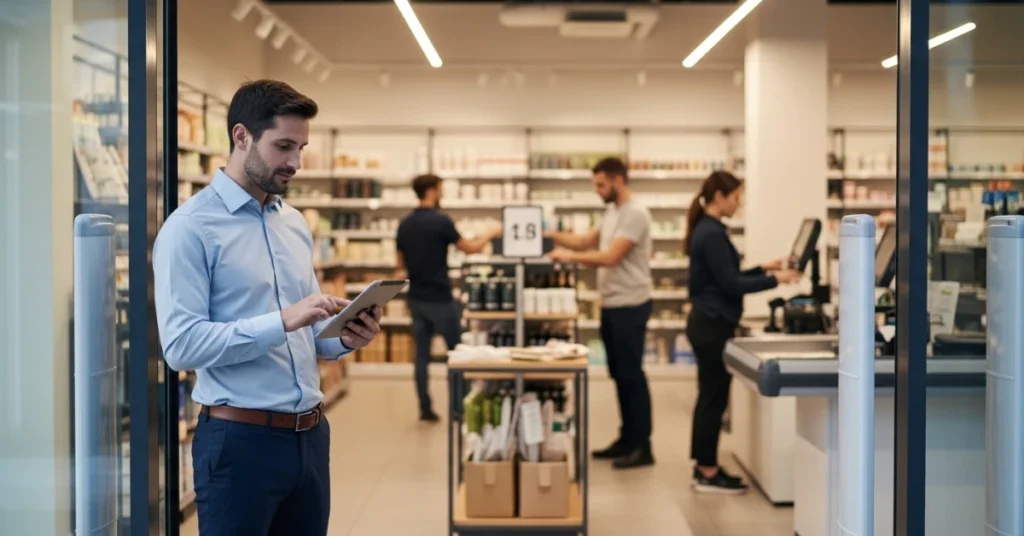
Modern retail technology helps managers monitor operations, merchandising, and sales performance in real time. Data-driven visibility enables faster decisions and supports increasing retail sales by improving execution across every location.
Retail technologies that improve store performance
- Retail execution platforms: Digital tools help track merchandising compliance, promotional displays, and store execution across multiple locations.
- Image recognition and shelf monitoring: Computer vision technology can detect out-of-stock items, misplaced products, and planogram violations automatically.
- Mobile store audit tools: Field teams can collect store data, photos, and compliance reports instantly using mobile devices.
- Real-time performance dashboards: Centralized dashboards allow managers to monitor key metrics such as store performance, product availability, and promotional execution.
15. Reduce Lost Sales from Stockouts
Stockouts are one of the most common causes of lost revenue in retail. When customers cannot find the products they want, they often delay their purchase or switch to competitors. Preventing stock shortages is therefore critical for increasing retail sales.
Strategies to reduce stockouts
- Monitor shelf availability continuously: Real-time tracking helps detect low inventory before shelves become empty.
- Improve replenishment processes: Ensure store teams restock products quickly by streamlining communication between inventory systems and staff.
- Use demand forecasting tools: Analyze historical sales patterns and seasonal trends to anticipate demand spikes.
Prioritize high-demand products: Focus replenishment efforts on fast-moving items and key promotional products to minimize lost sales.
Conclusion
Increasing retail sales requires a combination of strategic promotions, optimized store layouts, strong customer engagement, and data-driven decision making. Retailers who continuously test, measure, and refine their sales strategies create sustainable growth and stronger customer loyalty.
Ready to turn these strategies into measurable retail results?
Discover how real-time store visibility, shelf monitoring, and retail execution tools help teams improve merchandising, reduce stockouts, and increase store performance.
See how FieldPie helps retailers track, optimize, and improve in-store execution — book your free demo today.