



Retail display merchandising plays a critical role in how products attract attention and convert shoppers into buyers. Even the best products can underperform if in-store displays are poorly executed or inconsistent across locations.
For field merchandisers and retail operations teams, maintaining strong retail display merchandising standards is rarely as easy as it looks. One day everything appears perfectly aligned with the planogram, and the next day displays have been moved, promotional materials are missing, or shelves are empty.
Over time, these seemingly small mistakes start to affect product visibility, customer perception, and ultimately retail sales.
In this article, we’ll examine five of the most common retail display merchandising mistakes seen in the field and how teams can fix them to improve store execution and sales performance.
Why Retail Display Merchandising Matters
Effective retail display merchandising ensures that products are presented in a way that attracts attention, communicates brand value, and supports customer purchasing decisions.
When retail display merchandising is executed correctly, it helps brands:
- Improve product visibility on shelves
- Increase impulse purchases
- Maintain brand consistency across stores
- Strengthen customer trust in product quality
However, when display execution breaks down, sales and brand perception can quickly suffer.
1. Product Placement Failures

One of the most common problems in retail display merchandising is incorrect product placement.
Imagine visiting a store expecting your best-selling product to appear at eye level or in the center of the shelf. Instead, you find it hidden on the bottom shelf, pushed to the far left, surrounded by unrelated products.
When you ask the staff what happened, they casually respond:
“Oh, we rearranged the shelf last week.”
This situation is surprisingly common in retail display merchandising. When product placement deviates from the intended planogram, customers may simply fail to notice the product.
In one case, a popular snack brand experienced nearly a 25% drop in store sales after its display was moved to a low-visibility shelf.
How to Fix It
Successful retail display merchandising relies on accurate planogram execution.
Merchandising teams should:
- Always carry the latest planogram version
- Document display inconsistencies during store visits
- Use mobile retail execution tools to capture issues instantly
By correcting placement errors quickly, brands can restore product visibility and recover lost sales.
2. Missing Promotional Materials
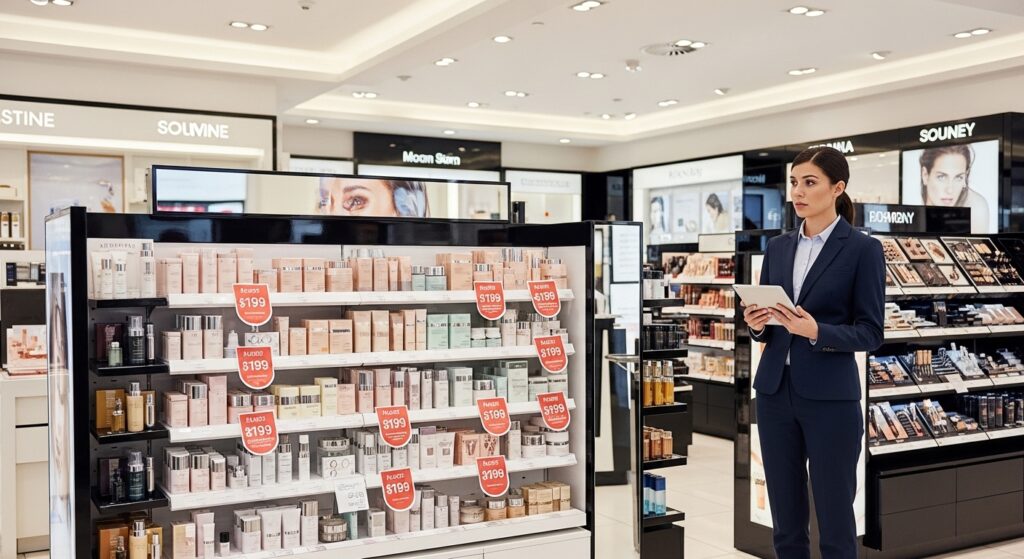
Promotional signage may seem minor, but it plays a major role in retail display merchandising.
Shelf talkers, promotional tags, and price signs often provide the final push that convinces a customer to make a purchase.
During a recent store visit, the shelf layout was correct, but the promotional materials belonged to a campaign that had ended weeks earlier. Customers were confused, and employees were unsure which promotion was active.
When promotional displays are outdated or missing, retail display merchandising loses its effectiveness.
How to Fix It
Field teams should verify promotional displays during every visit.
Best practices include:
- Taking photo proof of promotional displays
- Reporting incorrect signage immediately
- Sharing images with marketing teams in real time
This ensures that promotional campaigns remain aligned with retail display merchandising standards.
3. Empty Shelves and Lost Sales
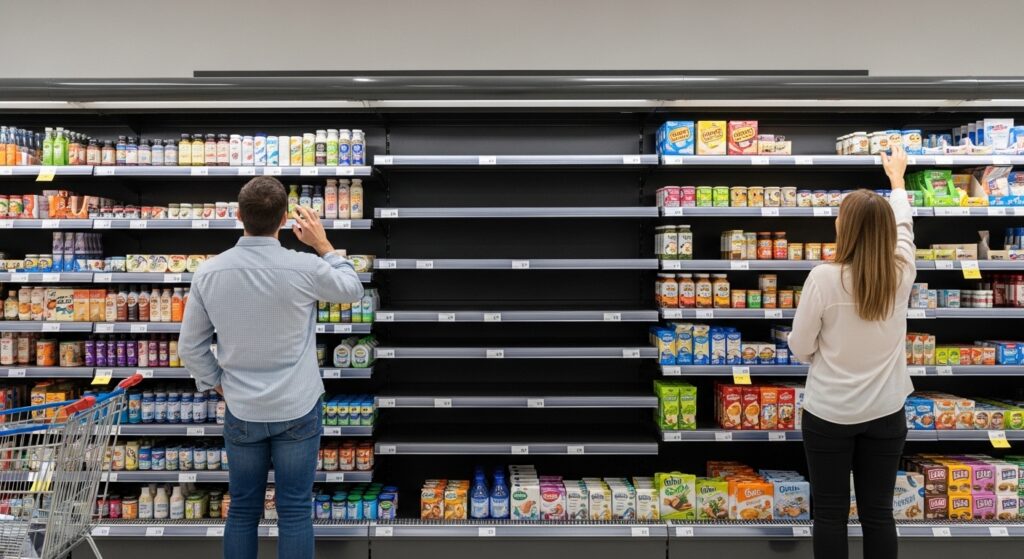
Empty shelves send a powerful message to customers — and it’s rarely a good one.
When shoppers see empty shelves, they often assume the product is discontinued or unavailable and quickly move on to a competitor.
Poor stock visibility is one of the most overlooked problems in retail display merchandising. In fact, studies suggest that nearly 30% of missed sales can result from out-of-stock situations.
How to Fix It
Retail display merchandising teams should track stock availability during every store visit.
Recommended actions include:
- Monitoring stock levels at each location
- Reporting low inventory immediately
- Triggering replenishment requests when necessary
Mobile field tools allow merchandisers to flag stock issues instantly and notify warehouse or store managers.
Even a quick visual stock check can prevent major sales losses.
4. Brand Compliance in Retail Display Merchandising

Retail display merchandising is not only about product placement — it is also about brand presentation.
Every display element communicates the brand’s identity, including:
- colors
- signage
- display materials
- logo placement
When these elements are inconsistent, the brand message becomes diluted.
For example, during one store visit a premium illuminated display stand had been replaced with a simple cardboard display. Although the product was present, the downgraded presentation significantly reduced perceived quality.
Inconsistent retail display merchandising weakens brand trust and damages retail credibility.
How to Fix It
Brands should establish clear display guidelines and ensure that field teams understand them.
Effective practices include:
- providing merchandising playbooks
- offering mobile reference guides
- encouraging field teams to report compliance issues
Strong brand compliance ensures that retail display merchandising remains consistent across all locations.
5. Poor Display Maintenance
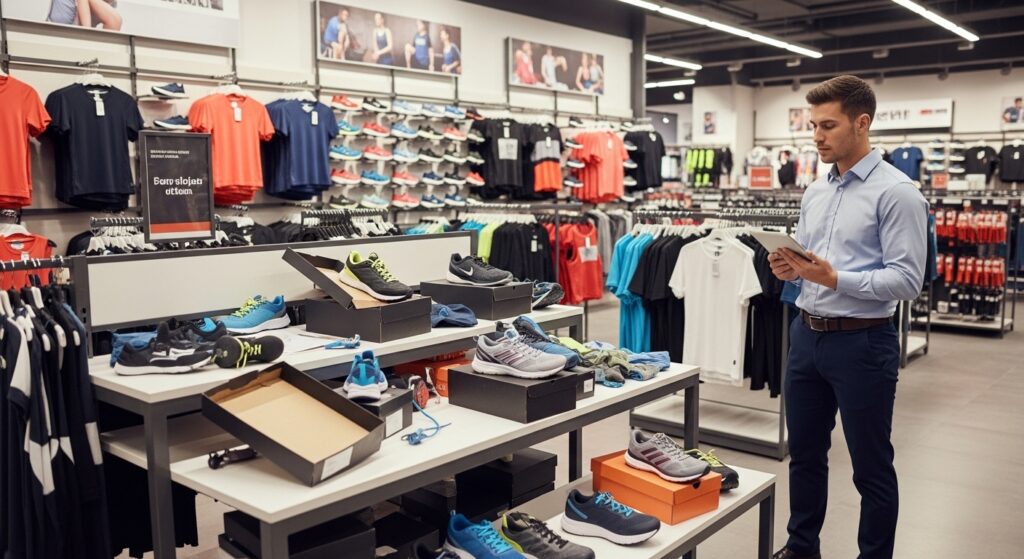
Sometimes the problem isn’t the display design — it’s the lack of maintenance.
Dusty shelves, torn posters, and messy product arrangements can quickly damage the effectiveness of retail display merchandising.
Customers notice these details immediately. Even if the product itself is high quality, a poorly maintained display can signal neglect and reduce customer confidence.
How to Fix It
Display maintenance should be part of every store visit routine.
Merchandising teams should:
- straighten products
- clean shelves
- replace damaged signage
- reorganize displays if needed
These quick adjustments often take only a few minutes but can significantly improve the impact of retail display merchandising.
Improving Retail Display Merchandising Execution
Small display mistakes can accumulate quickly and affect both sales and brand perception.
When retail display merchandising is poorly executed, brands risk:
- losing product visibility
- confusing customers
- weakening brand image
- missing valuable sales opportunities
However, improving display execution can lead to significant gains. In many cases, correcting basic retail display merchandising mistakes can increase sales by 20–30%.
For field teams managing multiple stores, digital retail execution tools make this process easier. Platforms such as FieldPie allow merchandisers to identify display issues instantly, capture photo evidence, and share updates with headquarters in real time.
With better visibility and faster reporting, retail display merchandising can shift from reactive problem solving to proactive retail performance management.
Conclusion
Retail display merchandising directly influences product visibility, customer perception, and retail sales. Even small issues such as poor product placement, missing promotional materials, or poorly maintained displays can reduce in-store performance.
By maintaining clear standards and monitoring store execution regularly, brands can ensure that retail display merchandising remains consistent, effective, and aligned with their merchandising strategy.
Want to improve your retail display merchandising?
With FieldPie, you can:
- Monitor store displays in real time
- Capture photo proof during visits
- Track display and planogram compliance
👉 Request a demo and manage retail display merchandising more effectively. 🚀