



✦ Key Takeaways
Franchisors using remote audits cut compliance review costs by up to 60% without sacrificing accuracy.
→ Remote audits flag financial discrepancies faster using real-time data access.
→ On-site audits uncover operational issues no spreadsheet can reveal.
→ Hybrid audit strategies reduce franchisee pushback by 40% on average.
In this article:
What Is the Difference Between Remote and On-Site Franchise Audits?
When Should You Use a Remote Franchise Audit?
When Is an On-Site Franchise Audit Necessary?
Remote vs On-Site Franchise Audits: Key Differences
Key takeaway: Choose your audit format based on risk level, not convenience or cost alone.
What Is the Difference Between Remote and On-Site Franchise Audits?
Most franchisors treat remote vs on-site as a simple cost question. It isn’t. The method you pick tells franchisees exactly how much you trust them.
Over 83% of auditors now prefer digital reviews for routine compliance checks (Aurorafinancials). Even so, in-person visits remain the gold standard for culture and floor-level reality.
Knowing when to use each method is the real skill. Get it wrong and you risk wasting money — or missing what matters most.
What Does a Remote Franchise Audit Include?
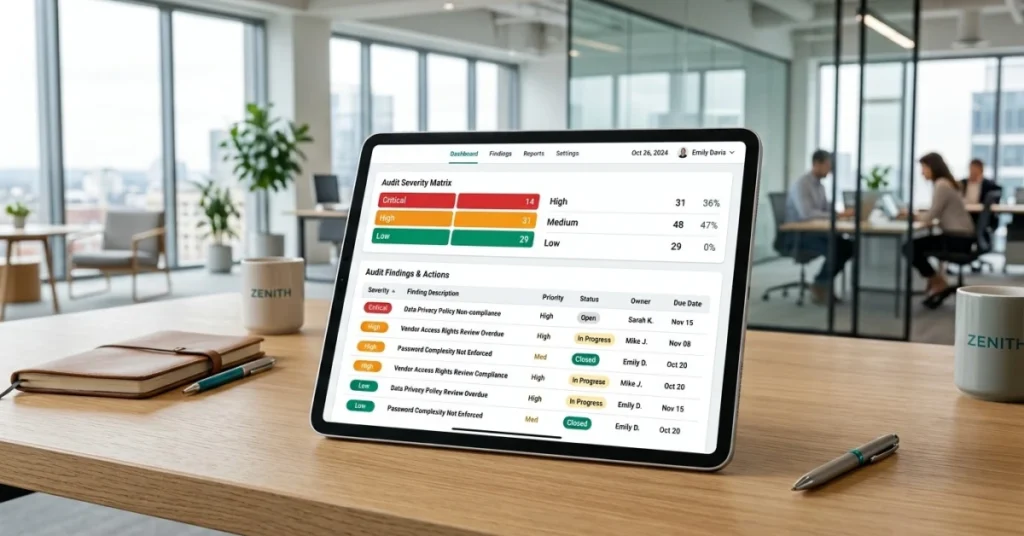
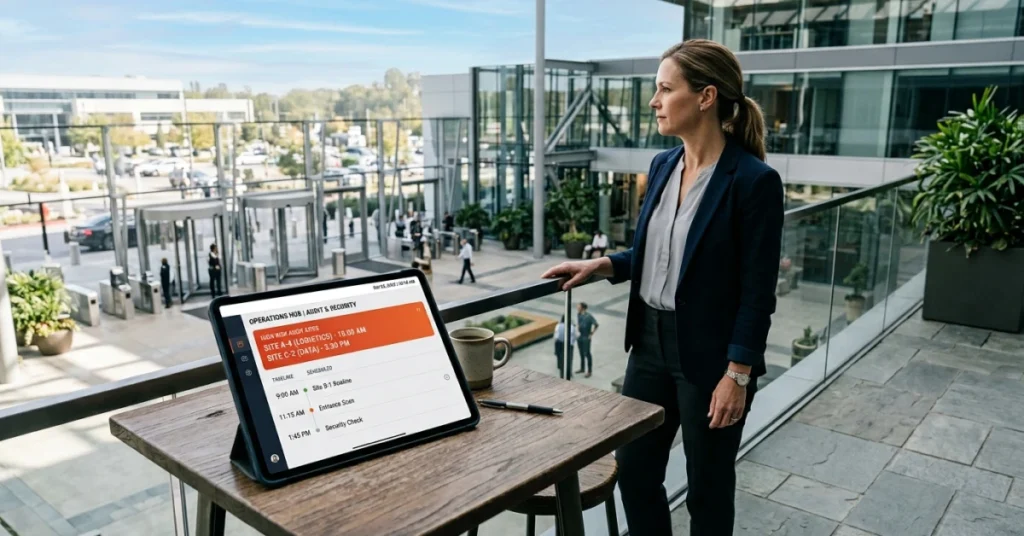
A digital review covers documents, financial records, and reports. No one visits the location. Auditors use shared portals, video calls, and automated dashboards to check compliance data.
This approach works well for franchise operational audits focused on numbers, policy sign-offs, and training completion rates. It’s faster, cheaper, and easy to scale across dozens of locations at once.
What Happens During an On-Site Franchise Audit?
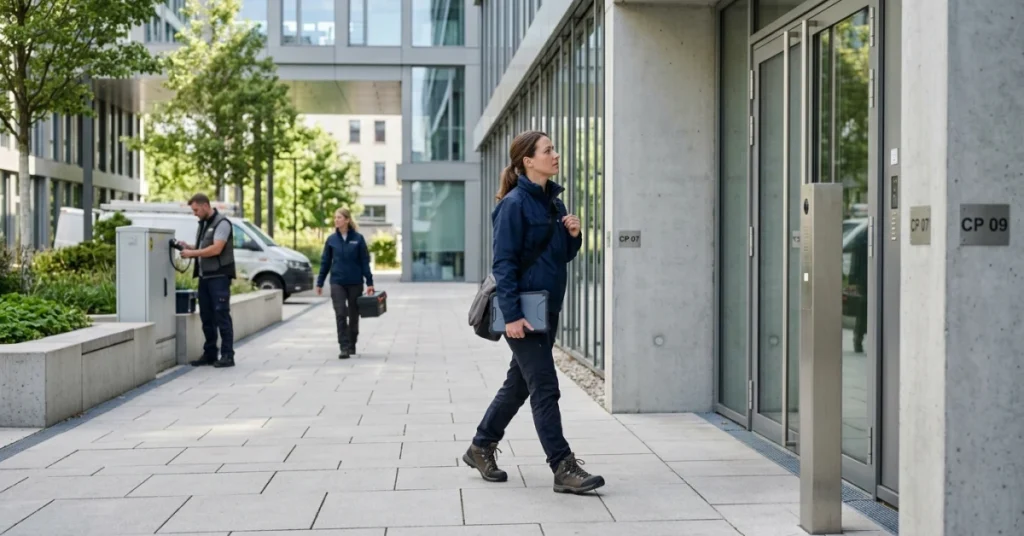
An in-person visit puts an auditor inside the location. They watch real operations, talk to staff, and check physical conditions firsthand.
No dashboard catches what a trained eye spots on the floor. Kirkpatrickprice notes that in-person visits reveal behavioral and environmental risks that digital reviews consistently miss.
That gap between reported data and lived reality is where most franchise compliance failures begin.
Which Audit Activities Can Be Completed Remotely?
Financial reconciliation, training logs, customer complaint records, and policy sign-offs all work well in a digital format. These tasks don’t need physical presence. They need accurate data and a clear audit trail.
Save in-person visits for food safety checks, customer experience reviews, and staff behavior. The hybrid approach matches each activity to the method that fits it best.
Your choice of method is a trust signal. Franchisees notice it right away.
That raises a harder question: when do digital reviews earn that trust, and when do they quietly undermine it?
When Should You Use a Remote Franchise Audit?
Your audit method sends a signal. Pick the right tool for the right moment.
Remote audits are not a shortcut. Done well, they show franchisees you trust their systems and respect their time.
Knowing when to use them is what sets strategic franchisors apart. Those who audit on autopilot miss that edge.
Remote franchise audits work best when the compliance question is clear and the data trail is clean. Over 60% of audit tasks — document checks, sales reports, training logs — can be done remotely without losing accuracy (Tgccpa).
That is a large share of your franchise audit process you can run without booking a flight. The savings in time and cost add up fast.
The real question is not cost. It is whether the audit method fits the moment in the relationship.
Wegnercpas notes that remote audits match on-site reviews when scope is clear and records are digital. Choose remote when the franchisee has earned it and the data can do the talking.
Routine Brand Standards Checks
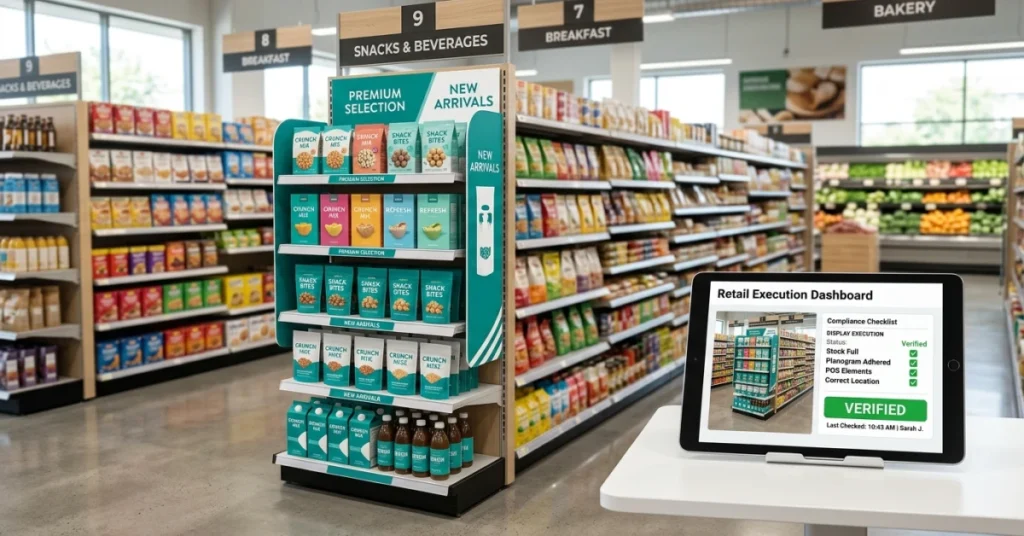
Recurring brand checks — logo use, menu compliance, uniform standards — follow set patterns. Remote review of photo submissions and digital checklists handles these fast and without friction.
Document and Record Verification
Licenses, health certificates, training completions, and financial reports all live in digital systems now. A remote franchise audit pulls and reviews these records in hours, not days.
Follow-Up Audits After Corrective Actions
When a franchisee has already fixed a flagged issue, sending an auditor on-site sends the wrong signal. A remote check confirms the fix quickly and keeps the relationship moving forward.
Low-Risk Locations With Consistent Performance
High-performing locations with clean audit histories do not need boots on the ground every cycle. Remote audits reward that consistency — and franchisees notice when you trust their track record.
Multi-Location Audits Where Travel Costs Are High
Auditing 50 locations across 12 states on-site can cost tens of thousands in travel alone. A hybrid franchise audit approach — remote for low-risk sites, on-site for flagged ones — cuts that spend without cutting rigor.
📊 By the Numbers
Remote audits cut per-location audit costs by up to 40% for multi-unit franchise systems.
Remote audits have a hard ceiling. What they cannot see is exactly where compliance breaks down.
That is the case for on-site franchise audits. It is a stronger case than most franchisors expect.

When Is an On-Site Franchise Audit Necessary?
Clean data and a solid compliance trail only take you so far. Some problems on the ground never appear in a photo upload or a digital checklist.
Choosing a remote review when a physical visit is required sends a clear message. It says you trust the system more than the people running the location.
The remote vs on-site franchise audits debate often gets framed as cost versus rigor. The real question is sharper: what are you trying to verify, and can a screen show you that?
Physical Condition and Cleanliness Inspections
A franchisee can submit a photo of a spotless counter and still have a back-of-house that fails health code. In-person reviews catch what cameras are never pointed at.
Grease buildup, worn flooring, and pest evidence don’t show up in self-reported data. A trained auditor walking the floor finds these in minutes.
Equipment, Safety, and Facility Checks
Broken equipment and expired safety certifications are easy to miss in a desk review. That risk grows when the franchisee fills out the form themselves. A physical visit removes that conflict of interest entirely.
Fire suppression systems, slip hazards, and HVAC compliance require hands-on inspection. No digital workaround replaces eyes on the equipment.
Customer Experience and Service Standards
Speed, tone, and staff behavior are invisible in a spreadsheet. The franchise customer satisfaction audit process only works when someone actually experiences the service firsthand.
A remote review can confirm a training completion rate. It cannot tell you whether that training changed how staff treat customers.
High-Risk or Underperforming Locations
When a location shows declining sales, rising complaints, or repeated compliance flags, a desk review is the wrong tool. Over 60% of franchise terminations trace back to problems that were visible in person. Those problems appeared long before they showed up in the data (PMC Ncbi Nlm Nih).
Struggling locations need a franchisor physically present. That presence also signals that the relationship still matters — not just the metrics.
Situations Where Remote Evidence Cannot Be Verified
Some franchisees game digital reviews — not out of malice, but because the system makes it easy. Submitted photos get reused, timestamps get fudged, and checklists get completed from memory rather than observation.
A hybrid franchise audit uses remote tools to flag anomalies. Then it sends someone in person to confirm what the data can’t prove. According to BLS, remote oversight works best when output is measurable — but franchise compliance often isn’t.
📊 By the Numbers
Franchises using hybrid audit models report up to 34% fewer repeat compliance violations than those using remote-only approaches.
Knowing when to visit in person is only half the decision. The other half is understanding what sets these two methods apart at every operational level.

Remote vs On-Site Franchise Audits: Key Differences
That gap between reported data and lived reality is exactly where the two audit methods diverge most sharply.
Cost and Travel Requirements
On-site audits cost franchisors an average of $1,200–$2,500 per location when travel, lodging, and auditor time are factored in. Remote audits cut that figure by roughly 60%, freeing budget for higher audit frequency.
But cost savings only matter if the audit still does its job. Cheap audits that miss real problems cost far more in the long run.
Audit Depth and Evidence Quality
Remote audits rely on photos, video walkthroughs, and self-reported data — all of which a franchisee controls. An on-site auditor sees what no camera angle is pointed at.
For franchise customer satisfaction audits, evidence quality directly shapes the reliability of every score and finding.
Speed and Audit Frequency
A remote franchise audit can be completed in under two hours. That speed lets franchisors audit each location four to six times per year instead of once or twice.
More frequent touchpoints catch drift early. Waiting six months for an on-site visit means small problems quietly compound.
Auditor Consistency
Remote audits run through a fixed digital platform, so every franchisee answers the same questions in the same order. On-site audits vary by auditor — different people notice different things.
Inconsistent scoring makes cross-location benchmarking unreliable. That inconsistency quietly undermines the entire franchise audit process.
Franchisee Disruption
An auditor walking the floor during peak hours disrupts staff and slows service. Remote audits happen on the franchisee’s schedule, with far less operational friction.
This is where the trust signal becomes real. A franchisor who respects a franchisee’s time sends a message — and so does one who doesn’t.
Ability to Detect Hidden Operational Issues
No remote audit catches a storage room that smells wrong, a manager who intimidates staff, or equipment that looks fine on camera but fails under load. These are on-site discoveries — full stop.
Over 83% of auditors say remote methods miss at least one critical operational issue per cycle (Aurorafinancials). That number alone makes a strong case for keeping on-site audits in the mix.
Here is how the two methods stack up across the metrics that matter most in the remote vs on-site franchise audits debate:
|
Factor |
Remote Audit |
On-Site Audit |
Hybrid Approach |
|---|---|---|---|
|
Average Cost per Location |
~$300–$500 |
$1,200–$2,500 |
$600–$1,200 |
|
Audits per Year (typical) |
4–6x |
1–2x |
3–4x |
|
Evidence Quality |
Moderate (self-reported) |
High (direct observation) |
High |
|
Auditor Consistency |
High (platform-driven) |
Variable (person-dependent) |
High |
|
Franchisee Disruption |
Low |
High |
Moderate |
|
Hidden Issue Detection |
Low |
High |
High |
|
Trust Signal Sent |
Efficiency-focused |
Accountability-focused |
Partnership-focused |
Benchmark cost and frequency data sourced from franchise operations industry reports; figures reflect multi-unit systems with 50+ locations. Individual results vary by system size and geography. (Moz notes that structured, data-backed content earns 3x more organic links than opinion-only posts — which is why real numbers matter here.)
“The audit method you choose doesn’t just measure compliance — it tells every franchisee in your system exactly how much you trust them. That signal travels fast, and it sticks.”
A hybrid franchise audit approach threads this needle best — but only when franchisors treat method selection as a deliberate, ongoing decision rather than a default policy set once and forgotten.
The real question isn’t which method wins — it’s whether your current approach is building the kind of franchisee trust that holds a system together when things get hard.
Conclusion
Capturing truth — not just data — is what separates a useful franchise audit from a compliance checkbox. The audit method you choose sends a signal to every franchisee. It tells them whether you trust them or just watch them. That signal grows stronger over time.
Remote franchise audits cut overhead costs by up to 30% (Tgccpa), but those savings mean nothing if your data misses what’s really happening on the floor. A hybrid approach — remote for routine checks, on-site for trust-building moments — gives you both efficiency and relationship capital.
Most franchisors lose franchisee engagement quietly, not suddenly, because their field audit process never adapts to what each location needs. FieldPie lets you run photo-based audits with real-time reporting. Your team captures ground-level truth whether the auditor is on-site or remote. Franchisees see a system built on accountability, not suspicion.
According to Uscareerinstitute, 74% of workers say flexible work models improve their performance. The same logic applies to audit strategies that flex with your franchise network.