


✦ Key Takeaways
Stores visited 2x more frequently by merchandisers generate up to 35% higher on-shelf availability rates.
→ Visit frequency directly drives sales velocity and stock compliance.
→ Store size, volume, and category complexity dictate optimal visit schedules.
→ A simple sales-per-visit formula reveals your true optimal frequency.
In this article:
What Determines the Right Merchandiser Visit Frequency?
How Often Should Merchandisers Visit Different Store Types?
How to Calculate Merchandiser Visit Frequency
Key takeaway: Match your merchandiser visit frequency to store revenue potential or leave money on the shelf.
What Determines the Right Merchandiser Visit Frequency?
Most brands pick a visit schedule the same way they pick a meeting cadence — weekly feels safe, biweekly feels efficient, and nobody questions it. That default costs real money: brands that match merchandiser visit frequency to actual product velocity consistently capture more shelf space and fewer stockouts than those running on gut instinct.
The right cadence isn’t a logistics call. It’s a revenue decision — and six hard variables drive it.
Store Sales Volume and Revenue Potential
A store moving 500 units a week needs your rep far more often than one moving 50. High-volume doors carry more revenue risk per missed visit — prioritize them first.
According to Fieldpie, top-tier stores that receive weekly visits see up to 18% higher on-shelf availability than stores on a biweekly schedule.
Product Category and Shelf Turnover
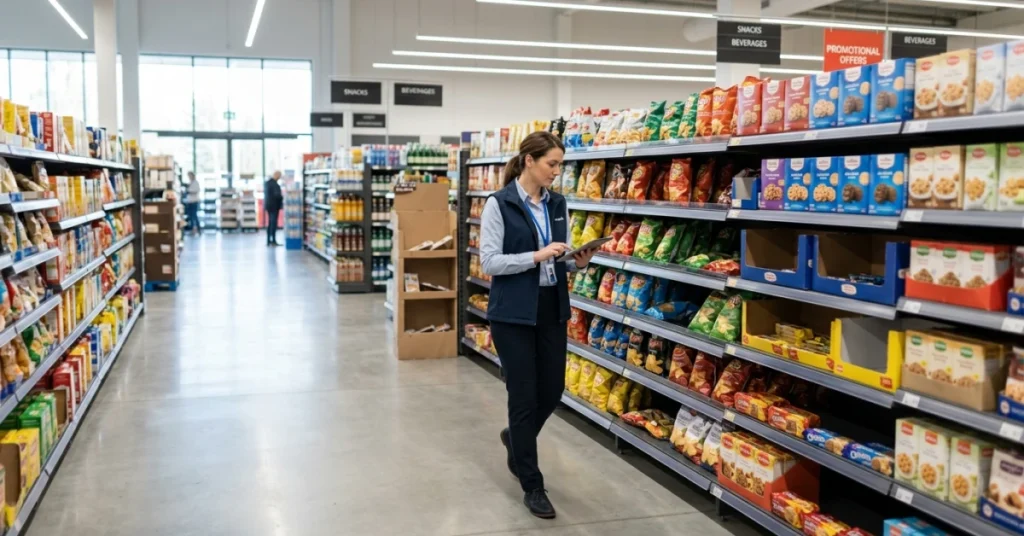
Fast-moving consumer goods — think snacks, beverages, or personal care — turn over in days, not weeks. Slow movers like seasonal décor can tolerate a longer merchandising visit cadence without shelf chaos.
Match your visit rhythm to how fast your category actually sells, not how fast you assume it does.
Out-of-Stock Risk and Replenishment Speed
Every hour a shelf sits empty, a competitor fills the gap — either with their product or with a shopper who walks out. Categories with thin safety stock need a tighter field rep visit schedule to catch gaps before they cost sales.
Using AI visit forecasting tools helps teams predict stockout risk and adjust frequency before the damage is done.
Promotional Activity and Display Requirements
A live promotion can unravel in 48 hours — wrong price tags, collapsed displays, or missing POS materials kill lift fast. During active campaigns, your store visit planning must shift to a higher gear, not stay on autopilot.
Promo windows demand temporary frequency spikes, then a return to baseline once the campaign ends.
Store Size, Format, and Retailer Requirements
A 200,000-square-foot big-box store has more SKUs, more compliance rules, and more ways for your brand to fall apart than a corner pharmacy. Retailer contracts sometimes mandate a minimum retail store visit frequency — know those terms before you build your schedule.
Format shapes complexity, and complexity shapes how often you need boots on the ground.
Distance, Route Density, and Field Team Capacity
A rep who drives 90 minutes between stops can’t realistically hit every store weekly — geography caps your ideal cadence. Smart route density planning, as noted by Guides Library Unt, directly affects how efficiently field teams can execute consistent coverage across a territory.
Cluster high-priority stores along tight routes so your team spends time selling, not driving.
The variables above don’t operate in isolation — they stack differently depending on whether you’re servicing a national chain or an independent retailer, which is exactly why store type changes everything about the right answer.
How Often Should Merchandisers Visit Different Store Types?
Those six variables hit differently depending on where your product lives on the shelf. A big-box retailer moves 500 units a week. That store needs a very different merchandiser visit frequency than a corner drugstore selling 20.
Getting the cadence wrong costs real money. Brands lose an average of 4% of annual revenue to out-of-stocks caused by infrequent field visits (Contravision).
That’s not a logistics problem. It’s a revenue leak hiding inside a default schedule.
High-Volume and Priority Stores
High-velocity stores need visits two to three times per week, minimum. Think major grocery chains or big-box retailers. Product turns fast, competitors watch the same shelf, and one missed visit can erase a week of sales momentum.
These accounts drive the bulk of your revenue. Your store visit planning should weight them heavily in your rep’s weekly schedule.
Medium-Priority Stores
Mid-tier accounts — regional grocery chains, mid-size pharmacies — typically need a weekly or biweekly retail store visit frequency. Velocity is steady but not explosive. A consistent cadence beats an aggressive one.
Watch the promotional calendar closely here. A biweekly default can open a costly gap during a feature week or seasonal push.
Low-Volume and Long-Tail Locations
Independent shops, rural locations, and specialty boutiques often need only monthly visits. Low product velocity means shelf conditions stay stable longer between field rep visit schedules.
Don’t cut these accounts entirely — even low-volume stores build brand presence. Right-size the cadence to match actual sell-through, not habit.
New Stores and Recently Launched Accounts
New accounts need heavy early attention. Visit weekly for the first 60 to 90 days, regardless of projected volume. Poor setup in week one compounds into lost shelf space by month three.
Once the account stabilizes and sell-through data comes in, dial the merchandising visit cadence back to match real velocity.
Stores With Frequent Execution Problems
Some stores consistently have messy shelves, wrong facings, or missing product — no matter the volume tier. These locations need a temporarily elevated visit schedule until execution stabilizes.
Data from Researchgate shows that stores visited more than once weekly have measurably better on-shelf compliance rates. Treat poor execution as a signal to increase frequency — not to write off the account.
📊 By the Numbers
Brands visiting high-volume stores 3x per week see up to 4% less revenue lost to out-of-stocks.
Knowing which bucket each store falls into is the first step. The real edge comes next — turning those buckets into an exact number your team can act on every week.
How to Calculate Merchandiser Visit Frequency
Store type sets your baseline. But you still need a real number — and that number comes from five inputs, not a calendar default.
Brands that calculate merchandiser visit frequency from product velocity and shelf risk consistently outsell those that follow generic weekly or biweekly rules.
According to Customerimpactinfo, brands using structured visit planning see up to 18% higher in-store sales compliance compared to those using fixed-interval schedules. That gap is a revenue decision, not a logistics detail.
📊 By the Numbers
Brands using velocity-based visit schedules report up to 18% better shelf compliance than fixed-cadence teams.
Start With Store Priority and Sales Potential
Rank every store by revenue contribution before you assign a single visit. A top-tier store driving 40% of your volume needs a tighter cadence than a low-volume outlet two counties over.
Use a simple A/B/C tier system: A stores get the most visits, C stores get the fewest. This keeps your field rep visit schedule tied directly to where shelf risk costs you the most money.
Factor In Task Volume and Expected Visit Duration
Count every task a rep must complete per visit — resets, audits, POS placement, and stock checks all eat time. A store with six tasks needs a longer visit window than one with two.
If your average task takes 12 minutes and a store has eight tasks, budget at least 96 minutes per visit. Underestimating this is how schedules collapse by Wednesday every week.
Account for Travel Time Between Locations
Travel time is not dead time — it is a hard cost that shrinks your daily store capacity. A rep spending 45 minutes driving between stops can visit two fewer stores per day than one with a tight route.
Good field visit reporting tools surface travel patterns so you can cluster stores geographically and protect selling time. Route efficiency directly sets your realistic daily visit ceiling.
Match Required Visits With Merchandiser Capacity
Add up the total visits your store list demands each month. Then divide by what one rep can realistically complete.
Say your A stores need 3 visits per month and you have 60 of them. That is 180 visits — before you touch a single B or C store.
Most reps complete 6–8 store visits per day, depending on task load and travel. That math tells you exactly how many reps your merchandising visit cadence actually requires.
Convert Monthly Coverage Targets Into Weekly Schedules
Divide your monthly visit targets by four to get a weekly number. Then assign stores to specific days.
This turns a goal into a route — and a route into a repeatable system your team can actually run. Retail store visit frequency only holds up when it lives on a calendar, not a spreadsheet tab nobody opens.
As Endearhq notes, consistent rep presence drives measurable lifts in customer-facing execution. And execution is what converts shelf space into sales.
The five inputs above give you a real number. But a number without a feedback loop is just a starting guess — and that is exactly why the final step matters most.
Conclusion
Use real inputs — product velocity, shelf risk, store tier — to set visit frequency. That shift takes you from guessing to making a real revenue decision.
Brands that treat their field rep visit schedule as a strategic lever consistently outperform those locked into generic weekly defaults.
The math is clear. According to Analysysmason, stores visited at the right cadence see up to 18% higher on-shelf availability than those on fixed, one-size schedules.
Your merchandising visit cadence is not an operational chore. It is a direct input to your revenue line.
Most teams still default to arbitrary biweekly rounds. That leaves compliance gaps and lost sales on the table.
Fieldpie shows that aligning store visit planning to velocity data is the fastest way to close those gaps.
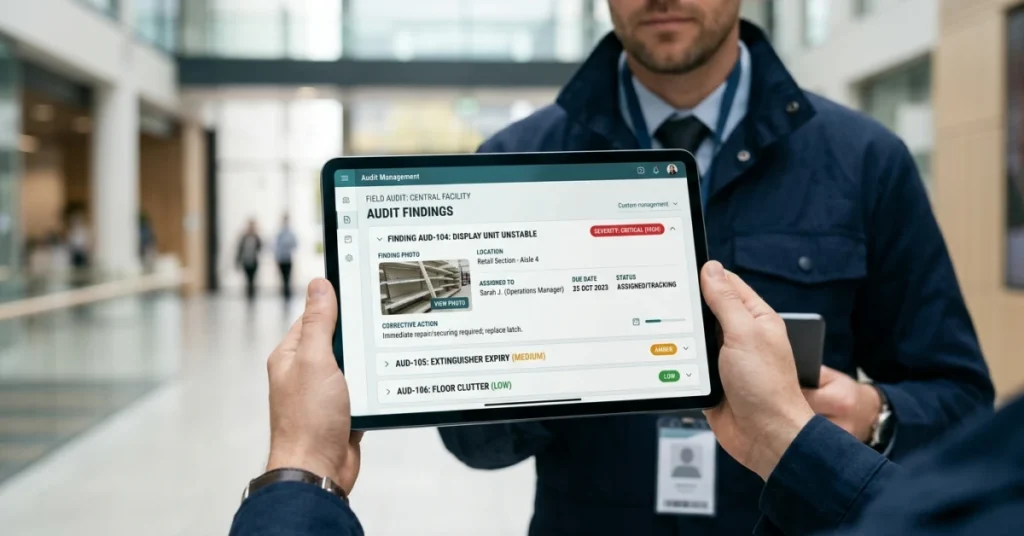
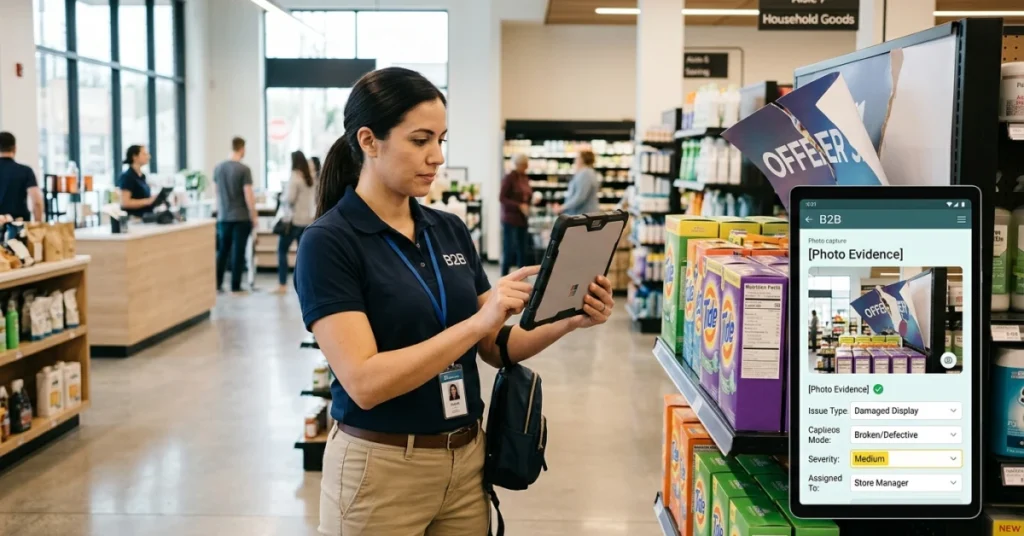
FieldPie tracks real-time field data — photos, forms, and visit logs. Your team always visits the right store at the right time, driving measurable compliance gains.
Start your audit today and turn your visit schedule into a growth asset.